The Impact of Local Cultural Festivals on Economic Growth
Introduction to Local Cultural Festivals
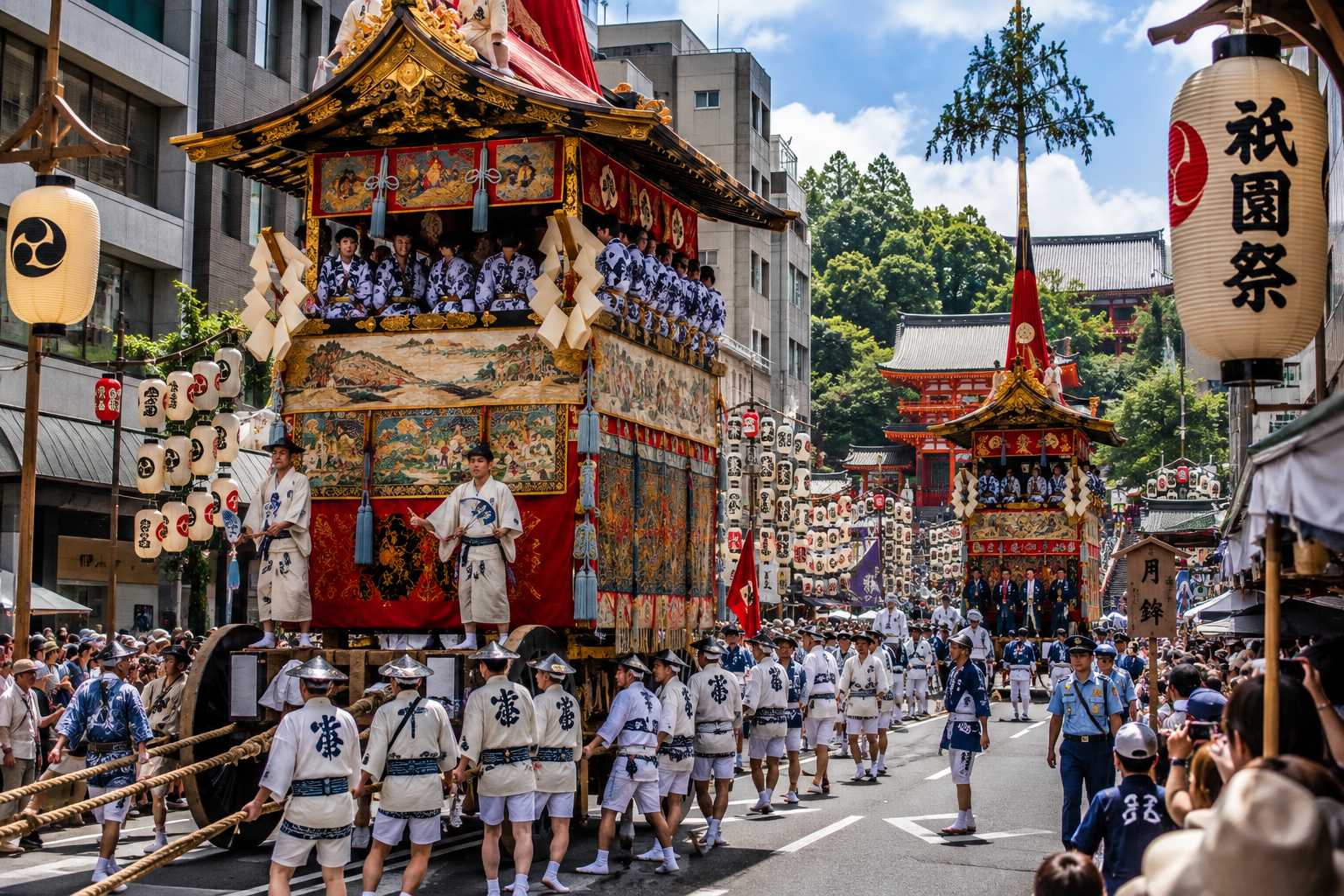
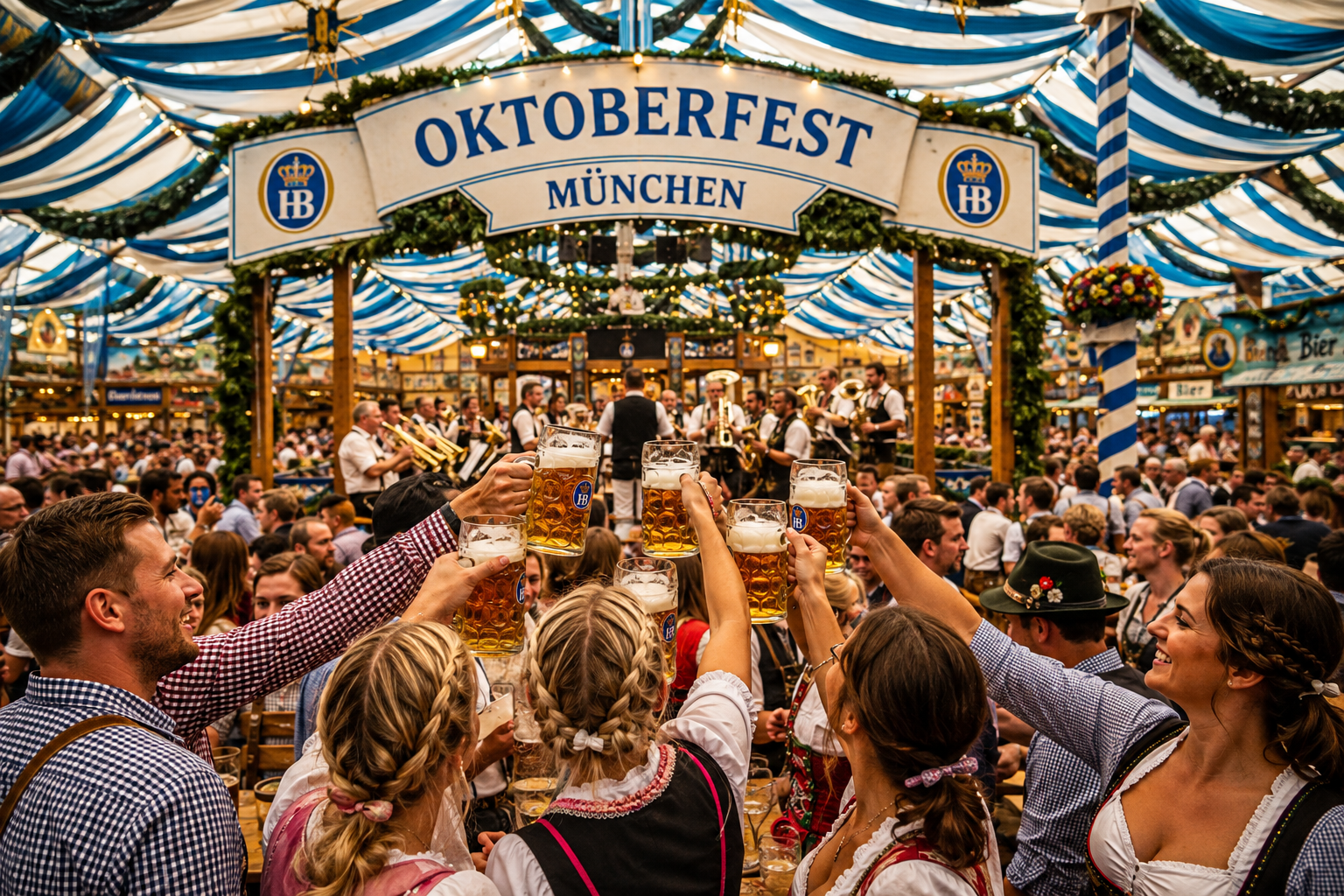
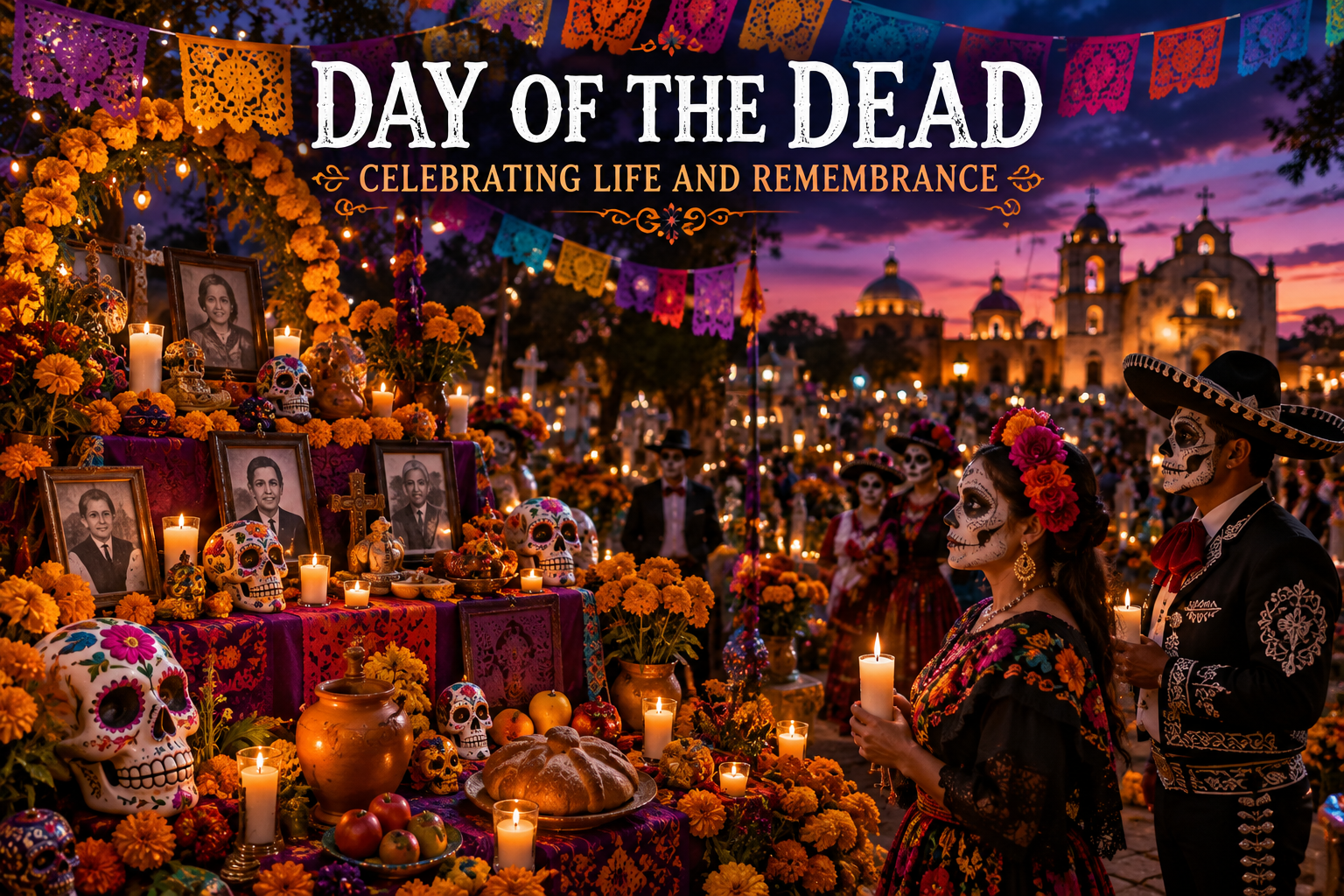
Local cultural festivals are vibrant celebrations that highlight the unique traditions, customs, and artistic expressions of specific communities. These events typically showcase local heritage and serve as a platform for residents to unite in a shared experience that fosters a sense of identity and belonging. Often steeped in historical significance, cultural festivals facilitate the preservation and appreciation of a community’s unique characteristics, promoting folklore, music, dance, and culinary arts that are distinctive to the region.
The significance of local cultural festivals extends beyond mere entertainment; they play a pivotal role in enhancing the social fabric of the community. These festivals provide opportunities for residents to engage in shared cultural experiences, promoting social cohesion among diverse groups. The celebrations often attract not only locals but also tourists, significantly increasing foot traffic in the area. This influx of visitors can stimulate various sectors, from hospitality and food services to arts and crafts vendors, thereby contributing to the local economy.
Moreover, local cultural festivals act as a medium for educational outreach, where attendees can learn about the historical and social narratives that shape a community’s identity. Workshops, exhibitions, and performances are typically organized as part of these festivals, allowing for an interactive engagement with the community’s heritage. As a result, these events not only strengthen communal ties but also serve to foster a greater understanding and appreciation of cultural diversity.
In summary, local cultural festivals are integral to any community; they celebrate local heritage while simultaneously fostering economic growth and community resilience. Through cultural expression and collective participation, these events enrich the community’s identity and contribute significantly to its overall economic vitality.
Supporting Tourism through Cultural Festivals
Local cultural festivals play a pivotal role in attracting tourists, both from within the country and abroad. These events serve not only as a celebration of heritage and traditions but also as a strategic tool for boosting local economies through increased tourism. By offering a unique experience that showcases traditional cuisine, music, art, and customs, these festivals create an enticing reason for tourists to visit.
The rich tapestry of local culture that is displayed during these festivals provides an immersive experience for visitors. Attendees have the opportunity to taste regional dishes, enjoy live performances, and engage in art exhibitions, which often are not available in conventional tourism packages. This unique offering significantly enhances the tourism experience, making festivals an essential highlight of a destination’s appeal.
Recent statistics bolster the argument for festivals as catalysts for tourism. For instance, a festival held in XYZ City witnessed a 30% increase in hotel bookings during its duration, resulting in a substantial economic uplift for local businesses. Case studies from various regions illustrate similar patterns; in ABC Town, a cultural festival generated over $5 million in revenue, demonstrating the direct correlation between festival attendance and economic growth.
Moreover, these events promote longer stays for tourists, as visitors often plan trips around festival dates. This extended visit not only benefits accommodation services but also stimulates spending at local restaurants, shops, and attractions. Furthermore, festivals foster a sense of community and cultural exchange, attracting diverse groups of people and contributing to the richness of the local tourist scene.
Thus, local cultural festivals emerge as powerful instruments for supporting tourism and, consequently, driving economic growth. By investing in and promoting these events, communities can harness the economic benefits that accompany increased tourist engagement.
Empowering Small Businesses and Artisans
Local cultural festivals serve as a dynamic platform for small businesses and local artisans, proving essential for their growth and sustainability. These festivals grant vendors an opportunity to showcase their unique products and services to a broader audience, which significantly enhances their visibility in the marketplace. Such exposure is paramount for small businesses that often struggle to compete with larger corporations that dominate the retail landscape.
By participating in local cultural festivals, small businesses can reach new customers who may be unfamiliar with their offerings. This is particularly important in today’s digital age, where customer loyalty is hard to earn. Festivals attract diverse crowds, allowing small vendors to highlight their craftsmanship, promote their brand, and establish a loyal customer base. Artisans, especially those specializing in handmade goods, benefit from direct interactions with potential buyers, which can lead to increased sales during and after the event.
Moreover, local cultural festivals foster an entrepreneurial spirit within communities. When small businesses see the success of their peers at these events, it encourages them to innovate and explore new ideas. Additionally, the networking opportunities provided by such festivals can lead to collaborations among artisans, boosting their market reach collectively. This spirit of cooperation can also pave the way for workshops and interactions where knowledge about business practices and marketing strategies can be shared.
In essence, local cultural festivals do not merely celebrate heritage and art; they play a crucial role in empowering small businesses and artisans, ensuring that local economies thrive. By creating avenues for product promotion and embracing community entrepreneurship, these festivals become vital contributors to economic growth, enhancing the overall vibrancy of the local market.
Preserving Cultural Identity while Driving Economic Growth
Cultural festivals play a pivotal role in nurturing and preserving the unique cultural identities of local communities. These events not only celebrate artistic expressions, traditions, and heritage but also contribute significantly to economic growth in the region. By showcasing local customs and traditions, cultural festivals create a platform for cultural exchange, allowing communities to engage with their heritage while attracting visitors and potential investors.
The economic impact of local cultural festivals can be profound. They generate a considerable influx of tourists, which translates into increased revenue for local businesses, hospitality services, and artisans. Festivals often provide a boost to food vendors, craft markets, and entertainment sectors, all of which benefit from the increased foot traffic. However, while economic growth is desirable, it is critical that this does not come at the expense of cultural authenticity.
One of the challenges local communities face is the risk of commercialization, where the primary focus shifts from cultural celebration to profit generation. When corporate interests overshadow the essence of these festivals, the authentic representation of local traditions may be compromised. Thus, it is crucial for community members to actively participate in these events, ensuring that their voices are heard and that the traditions are upheld. This involvement not only helps maintain the integrity of the cultural expressions displayed during festivals but also empowers locals by giving them ownership over their heritage.
Therefore, while local cultural festivals serve as platforms for economic growth, the delicate balance between fostering this growth and preserving cultural identity must be carefully navigated. Engaging the community through planning and organization allows festival organizers to mitigate risks of dilution and ensures that the celebration remains an authentic reflection of the cultural fabric of the area.
This Information Sponsored By: https://www.ez96live.com/