Celebrating Diversity: A Journey Through Cultural Festivals Around the World
Celebrating Diversity: A Journey Through Cultural Festivals Around the World – Cultural festivals are vibrant celebrations that embody the diverse traditions, beliefs, and values of different communities around the world. These festivals serve as a platform for showcasing a community’s unique identity through art, music, dance, food, and various cultural expressions. By participating in or attending these gatherings, individuals can gain deeper insights into the rich tapestry of humanity, thereby fostering a sense of global understanding and appreciation.
The importance of cultural festivals cannot be overstated; they act as a unifying force that brings together people of various backgrounds. Through shared experiences at these events, attendees can explore different perspectives, learn about unfamiliar customs, and develop an appreciation for the uniqueness of each culture. Engaging with local traditions enables participants to forge connections across cultural divides, which can ultimately promote social harmony and acceptance.
Cultural festivals are also instrumental in preserving heritage. They provide communities with a space to pass down age-old rituals and practices to younger generations, ensuring that their cultural identity is preserved amid an ever-globalizing world. Moreover, many festivals emphasize the importance of sustainability and highlight local issues, encouraging attendees to become more aware of and involved in their communities.
As global citizens increasingly seek to immerse themselves in rich and varied experiences, cultural festivals have gained prominence as an important means of enriching lives and broadening horizons. By offering glimpses into the myriad ways in which people celebrate life, these festivals cultivate a sense of shared human experience, reminding us that despite our differences, we are all woven together in the fabric of life.
Historical Background of Major Festivals
Festivals have long served as vibrant expressions of cultural heritage and community solidarity. The historical origins of many renowned cultural festivals can often be traced back to ancient traditions, religious observances, and agricultural cycles. These practices not only mark significant events but also reflect the values and beliefs of a society.
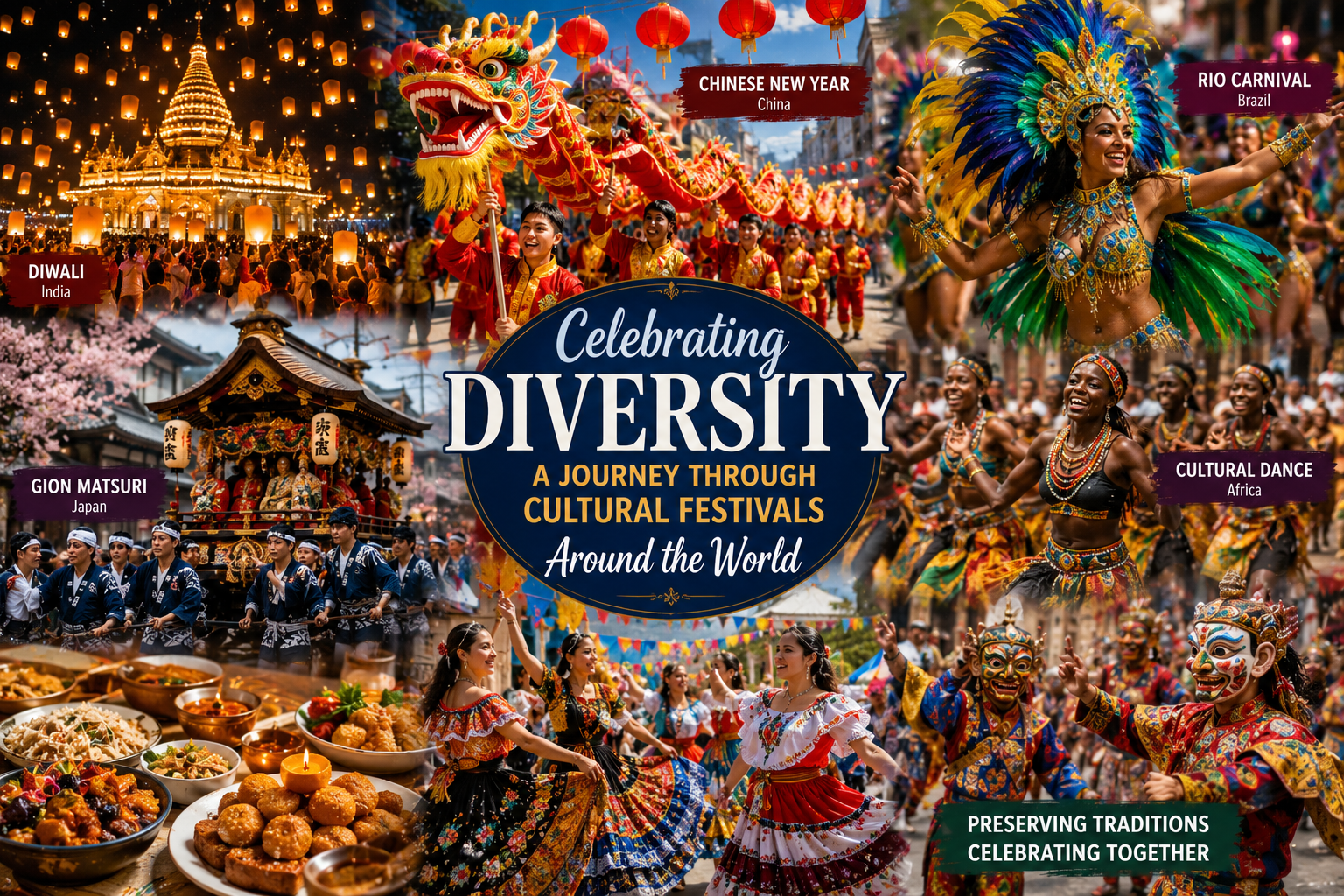
One of the most notable examples is the Diwali festival celebrated widely in India and among Hindu communities globally. Diwali, also known as the Festival of Lights, originally commemorated the victory of light over darkness and good over evil. Its origins can be found in ancient Hindu scriptures, such as the Ramayana, which narrates the return of Lord Rama to his kingdom after defeating the demon king Ravana. Over the centuries, Diwali has evolved, incorporating various regional customs, but it remains a vital representation of hope and renewal.
Another significant cultural event is the Chinese New Year, or Spring Festival, which has been celebrated for over 4,000 years. This festival began as a way to honor deities and ancestors, but it has transformed into a celebration of family unity and the welcoming of a new agricultural harvest. The iconic activities associated with this festival, such as lion dances, fireworks, and the giving of red envelopes, reflect the rich blend of history, mythology, and cultural practices that have accumulated over millennia.
Furthermore, the Rio Carnival in Brazil presents a fascinating study in the amalgamation of diverse cultural influences, stemming from its Indigenous, African, and European roots. Initially a Christian festival marking the start of Lent, the Carnival has grown into a global phenomenon characterized by music, dance, and elaborate parades. Its evolution reveals how cultural exchange and adaptation can result in new cultural expressions.
As we examine these festivals, it becomes clear that they are more than mere celebrations; they embody complex histories that provide insight into the cultural fabric of societies worldwide. Understanding their origins enriches our appreciation for the diversity of human expression that they represent.
Unique Traditions and Rituals
Across the globe, cultural festivals showcase a rich tapestry of unique traditions and rituals that reflect the beliefs, values, and history of various communities. These celebrations often serve as a medium for cultural expression and are integral to maintaining cultural heritage. For instance, during Diwali, the Hindu festival of lights, participants engage in the ritual of lighting lamps and bursting fireworks to ward off darkness and welcome prosperity. This tradition symbolizes the triumph of light over darkness and good over evil, engraining deep spiritual significance in the festivities.
Similarly, the Harvest Festival, celebrated in numerous agricultural societies worldwide, involves rituals such as offering the first fruits to deities as a gesture of gratitude. These practices not only highlight the importance of harvest in community life but also bring together families and neighborhoods in shared reflection and celebration. The rhythmic dances, communal meals, and prayers unite participants in a collective expression of joy and reverence, ensuring that these traditions are passed down through generations.
The Chinese New Year epitomizes a celebration filled with unique rituals aimed at ushering in good fortune. Traditions such as the lion dance, which is believed to chase away evil spirits and bring luck, create a vibrant atmosphere that embodies hope and renewal. Participants often engage in family reunions, share traditional foods, and exchange red envelopes, representing prosperity and good wishes. Through these practices, individuals connect to their roots while also reinforcing community bonds.
In essence, the unique traditions and rituals observed during cultural festivals serve multifaceted purposes, ranging from spiritual enrichment to fostering community solidarity. As participants engage in these time-honored practices, they not only honor their heritage but also contribute to the preservation of these cherished customs for future generations.
The Significance of Festivals in Cultural Identity
Cultural festivals play a pivotal role in shaping and expressing the identity of local communities. These vibrant celebrations not only bring people together to commemorate historical events and traditions but also serve as a means of preserving their heritage. Festivals act as living repositories of the customs, beliefs, and practices of different cultures, allowing individuals to reconnect with their roots and reaffirm their cultural identity.
Through music, dance, art, and culinary experiences, cultural festivals create a dynamic atmosphere that encourages participation and engagement, fostering a sense of belonging among attendees. This communal spirit is integral to the way cultural communities function, as it strengthens bonds and cultivates pride in one’s identity. Residents and visitors alike are often drawn to these events, which become opportunities to learn, share, and appreciate diversity.
In addition, cultural festivals provide a platform for showcasing unique traditions to a broader audience. By inviting people from various backgrounds to partake in their celebrations, communities can promote understanding and acceptance, thereby enriching the cultural tapestry. Such interactions often lead to cross-cultural exchanges that further enhance the identity of both the host community and its guests, highlighting the interconnectedness of human experiences.
Moreover, the preservation of cultural practices through festivals is vital, especially in today’s fast-paced world. As globalization progresses, many local traditions risk being overshadowed or lost entirely. Festivals serve as crucial touchpoints for education, where younger generations can learn about their heritage and its significance, ensuring that the cultural legacy endures.
Celebrations Around the Globe: Examples of Notable Festivals
Cultural festivals are vibrant celebrations that reveal the rich tapestry of human tradition and creativity across the globe. Each festival offers a unique glimpse into the heritage, customs, and artistic expressions of its region. Here are a few notable examples that highlight the diversity of global celebrations.
One of the most iconic festivals is Diwali, also known as the Festival of Lights, celebrated predominantly in India and by Indian communities worldwide. This five-day festival signifies the triumph of light over darkness and good over evil. During Diwali, homes are adorned with oil lamps, vibrant decorations, and elaborate rangoli designs. Fireworks light up the night sky, while families partake in prayers, feasts, and the exchange of gifts.
Another remarkable celebration is the Carnival of Rio de Janeiro in Brazil, renowned for its dazzling parades and samba music. Taking place before Lent, this festival showcases spectacular floats, elaborate costumes, and spirited dances. The atmosphere pulsates with energy, reflecting the Brazilian culture and bringing together thousands of participants and spectators from around the globe.
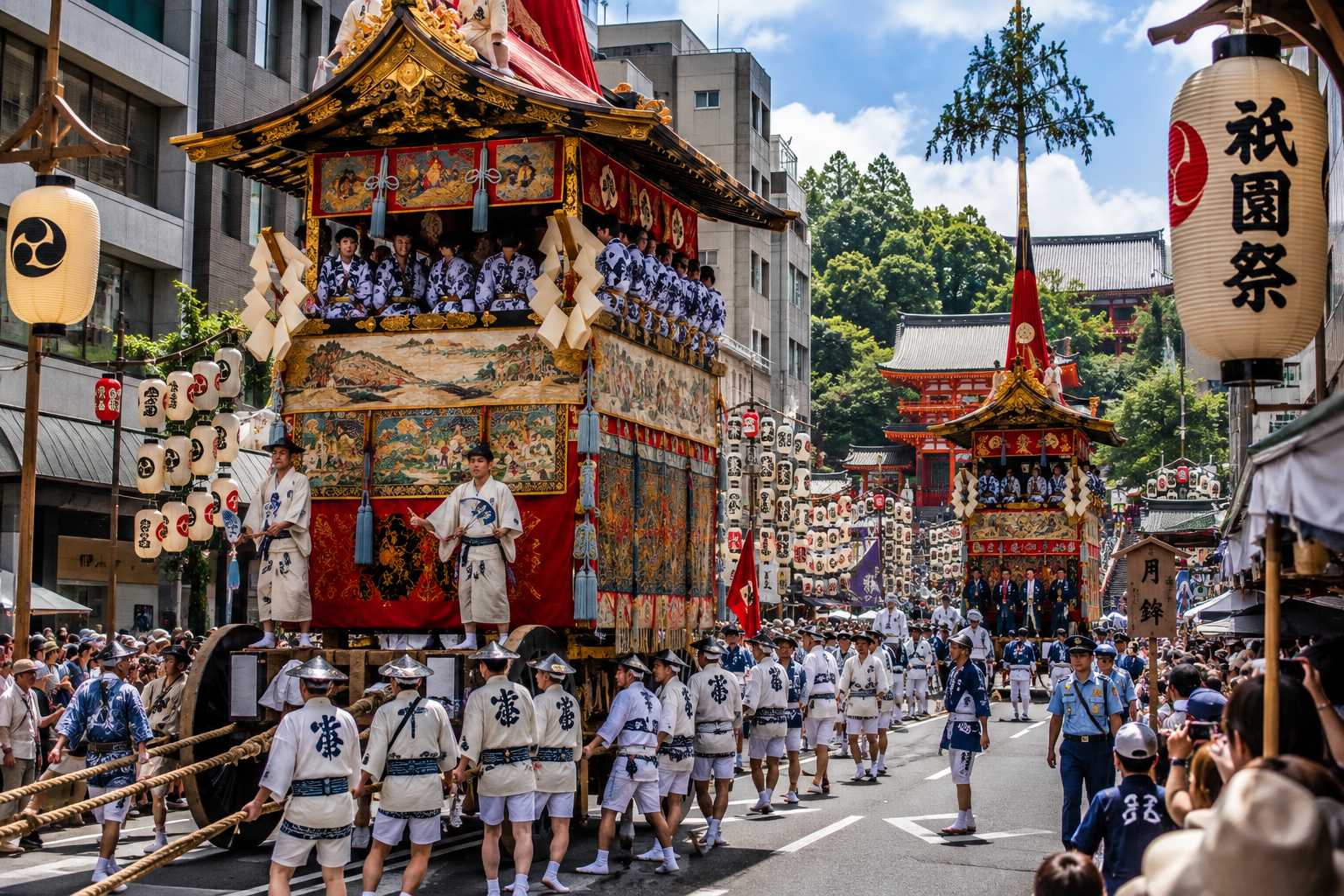
In Japan, the Gion Matsuri, held in Kyoto, showcases the nation’s traditions through a series of events throughout July. The festival is famous for its grand procession of floats known as Yamaboko, each meticulously crafted and adorned. This celebration not only honors local deities but also serves as a platform to promote community spirit and creativity.
These festivals, among many others, illustrate how cultural celebrations foster unity and understanding among diverse populations, enabling communities to share their heritage with the world. Through these remarkable events, the essence of cultural diversity and the importance of preserving traditions are celebrated.
Local Customs and Community Involvement
Cultural festivals serve not only as a celebration of heritage but also as a showcase for the unique local customs that characterize a community. These festivals often have specific dress codes that are integral to the event’s atmosphere and significance. Traditional costumes are frequently worn, representing the history and cultural identity of the participants. For instance, during the Diwali festival in India, you might see individuals adorned in elaborate sarees and kurtas, symbolizing the festivity and joy associated with the event. Similarly, in the Rio Carnival in Brazil, vibrant samba costumes made from feathers and beads bring to life the rich Brazilian culture.
Artistic expressions play a vital role in these cultural celebrations, providing an avenue for local artists to showcase their talents. Various forms of art, including music, dance, and visual installations, are often derived from local traditions and narratives. This not only enriches the festival experience but also serves as a powerful reminder of the community’s creative spirit. For instance, the folk dances of Scotland performed during the Highland Games celebrate both athleticism and cultural heritage, inviting audiences to witness and partake in the artistry that unfolds.
Community involvement is crucial in the organization and execution of these festivals. Local populations come together to plan and coordinate the events, ensuring that the essence of their culture is aptly represented. Volunteers often dedicate significant time and effort to decorate venues, prepare traditional foods, and manage activities, showcasing the communal spirit that defines these celebrations. The collective engagement fosters a sense of belonging and unity among participants, emphasizing the significance of shared cultural values and experiences. Through these efforts, the spirit of community shines brightly, weaving a rich tapestry of diversity during these illustrious outings.
Food and Culinary Traditions at Festivals
Food holds significant importance in cultural festivals, serving not merely as sustenance but as a vital expression of a community’s identity and heritage. Various celebrations around the world showcase regional specialties and traditional dishes that have often been passed down through generations. The culinary aspects of these festivals provide an insightful glimpse into the history, culture, and values of the people who celebrate them.
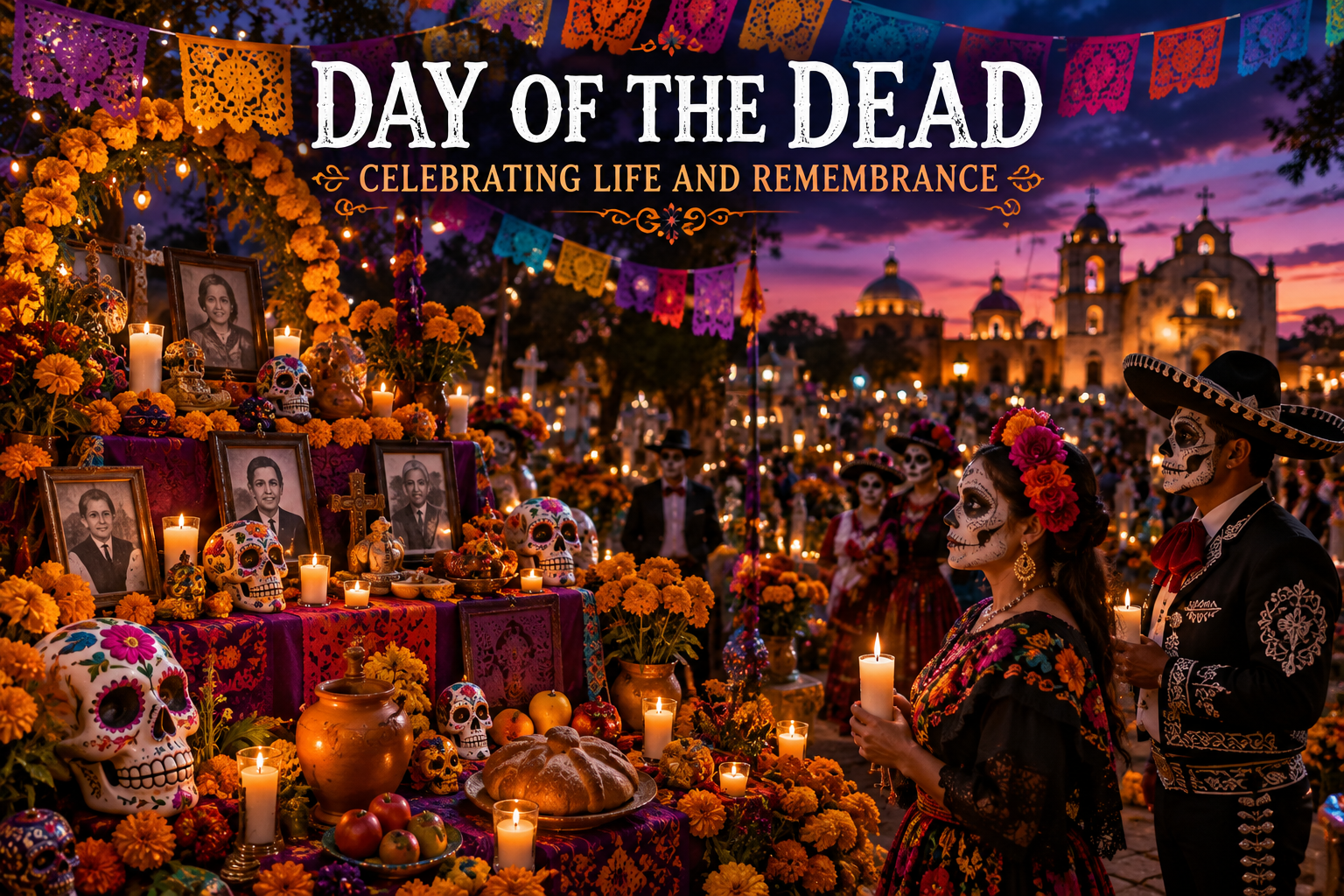
For instance, during the Indian festival of Diwali, the preparation of sweets and savory snacks becomes a festive highlight. Treats like ladoos, barfis, and samosas symbolize the joy and prosperity associated with the occasion. Similarly, in Mexico, the Day of the Dead, or Día de los Muertos, features traditional foods such as pan de muerto, a special bread shaped like a skull, and offerings of favorite dishes of the deceased, which emphasize remembrance and celebration of life.
In the Mediterranean region, the Greek Orthodox Easter is celebrated with a feast comprised of lamb, red-dyed eggs, and sweet breads. Each element reflects deep-rooted traditions that bring families and communities together. Furthermore, the culinary practices observed during the Chinese New Year, such as eating dumplings, fish, and nian gao, are steeped in symbolic meaning, often representing prosperity and good fortune for the year ahead.
Each festival’s unique dishes and culinary traditions not only enhance the overall experience but also promote community bonding. As festival-goers come together to share meals, it allows for the exchange of stories and traditions that reinforce cultural connections. Thus, food acts as both a centerpiece and a unifying force during cultural celebrations, enriching the overall festive atmosphere.
Music, Dance, and Performance Arts
Across the globe, cultural festivals serve as vibrant expressions of local traditions, heritage, and the arts. Music, dance, and performance art form the heart of these celebrations, igniting a sense of community while showcasing the rich diversity found in different regions. Festivals often feature traditional music styles, which can vary significantly based on cultural backgrounds, local narratives, and historical influences.
For instance, the rhythmic beats of samba resonate during Brazil’s Carnival, demonstrating the significance of dance in the country’s cultural identity. Similarly, Indian cultural festivals such as Diwali showcase classical dance forms like Bharatanatyam or Kathak, which convey intricate storytelling through movement. These types of performances not only entertain but also serve to educate audiences about the customs and histories that define various communities.
Moreover, performance arts in festivals often blend traditional and contemporary elements, providing an avenue for artists to innovate while respecting their cultural roots. For example, the Edinburgh Festival Fringe in Scotland highlights a myriad of performances that incorporate traditional Scottish music and dance alongside modern theatrical works, creating a rich tapestry of artistic expression.
Many festivals also emphasize the significance of communal participation, where locals and visitors alike are encouraged to join in the dances and music-making. This inclusivity not only fosters unity but also enables individuals from diverse backgrounds to experience and appreciate various cultural practices firsthand. Festivals like the Holi in India invite entire communities to engage in the joyous celebration of color, music, and dance, promoting camaraderie and cultural exchange.
Ultimately, music and dance during cultural festivals are essential not only for the entertainment they provide but also for the opportunities they create to connect people from all walks of life, ultimately celebrating the rich diversity that exists in our interconnected world.
Encouraging Cultural Appreciation and Respect
Engaging with cultural festivals provides a unique opportunity to appreciate the rich tapestry of human diversity. It invites individuals to explore traditions, values, and customs different from their own, fostering a broader understanding of the world. However, participation in these events necessitates a mindful approach rooted in respect and genuine curiosity.
To authentically engage with cultural festivals, one should begin by educating themselves about the event’s history and significance. Understanding the cultural context not only deepens one’s appreciation but also demonstrates respect toward the community hosting the festival. This preparation may include reading literature, watching documentaries, or connecting with members of the culture to learn firsthand about their experiences.
Being respectful during cultural celebrations also involves being conscious of behavioral norms and customs. Attendees should dress appropriately, as specified by the culture, and follow guidelines regarding participation in rituals or dances. This consideration prevents cultural appropriation—an act that can perpetuate stereotypes and undermine the integrity of the traditions being celebrated.
Moreover, fostering intercultural dialogue is essential. Engaging with locals and fellow attendees to understand their perspectives enhances mutual respect and appreciation. Conversations can provide insights into the values underlying the festival, creating an atmosphere of shared understanding. By asking questions and expressing genuine interest, individuals contribute to a collaborative cultural exchange, enriching the experience for all involved.
Lastly, supporting local artisans and businesses at these events helps sustain the cultural economy and reinforces the importance of preserving cultural heritage. Purchasing handmade goods or sampling traditional cuisine not only supports the community but also allows participants to engage further with the culture.