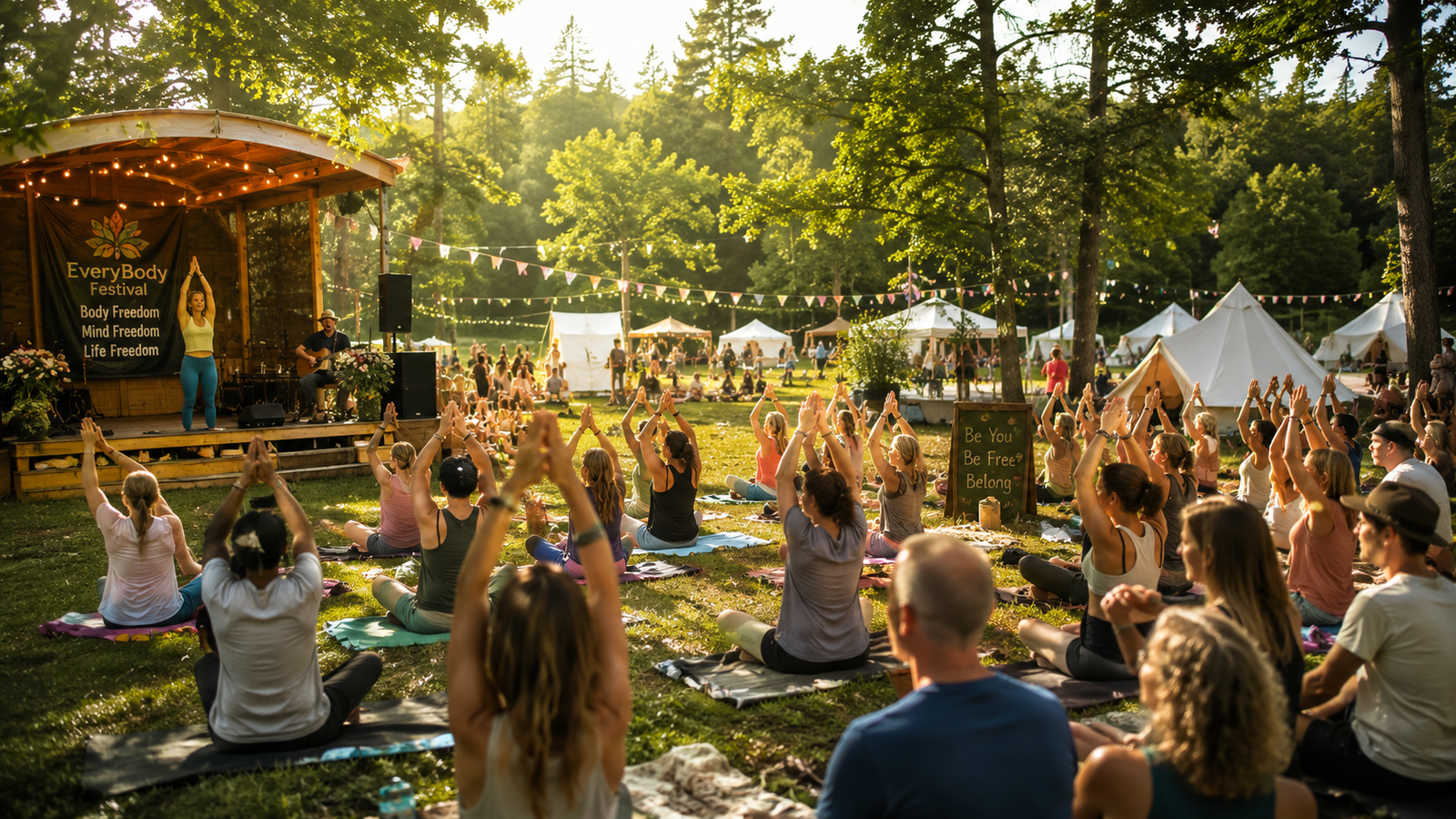
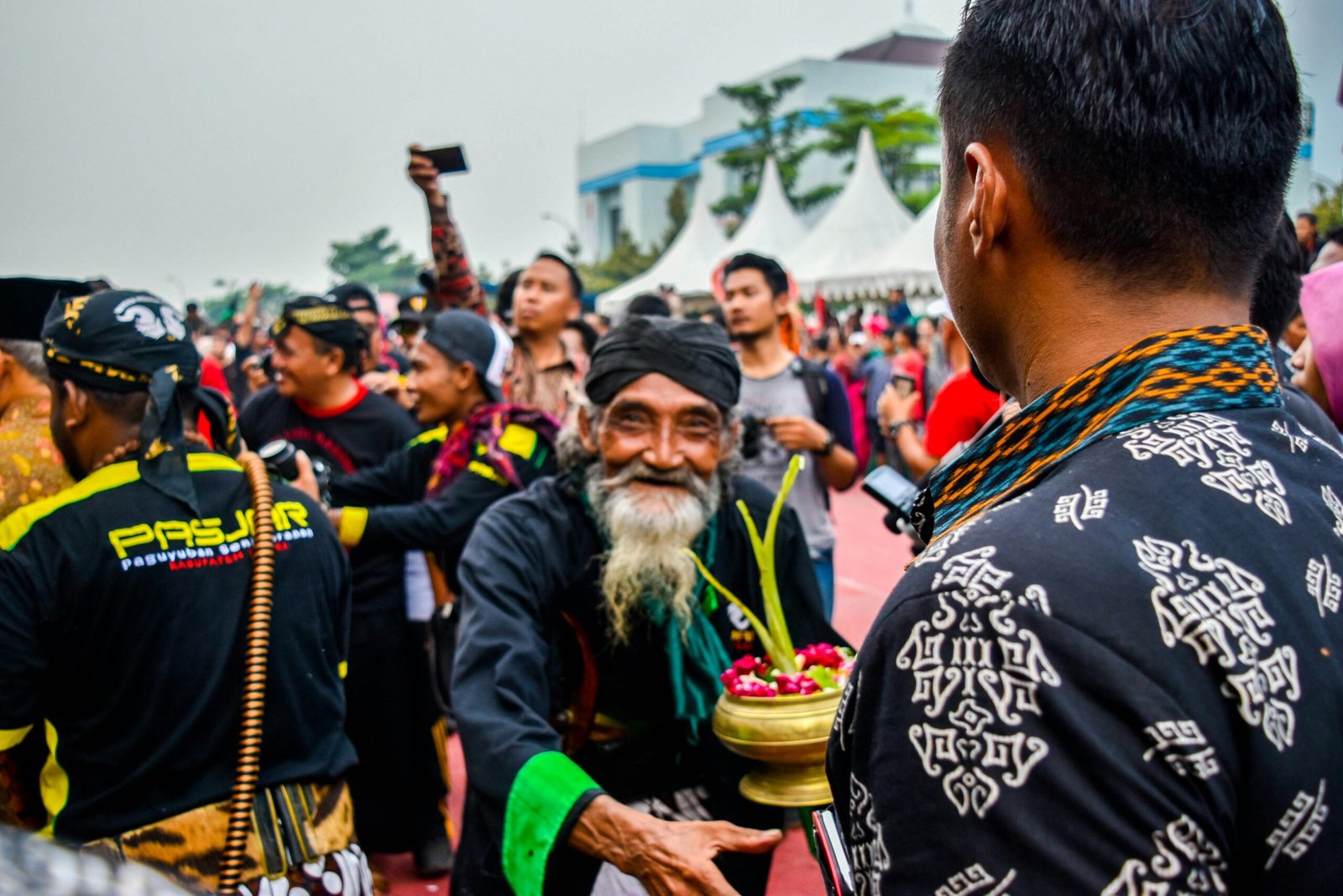
Exploring the Vibrant World of Cultural Festivals
Exploring the Vibrant World of Cultural Festivals – Cultural festivals represent a vibrant tapestry of human expression, bringing to life the diverse traditions, customs, and values that define various communities around the world. These celebrations serve not merely as events but as vital gatherings that foster a sense of belonging and identity among participants. As different cultures come together to showcase their heritage, these festivals create an opportunity for understanding and appreciation, highlighting the unique contributions each culture makes to the global mosaic.
One of the primary roles of cultural festivals is the celebration of heritage. Through music, dance, art, and culinary offerings, these festivals allow communities to express their historical narratives and artistic traditions. For instance, a traditional harvest festival may showcase local agricultural practices while also including performances that recount the community’s past. These celebrations act as a bridge connecting generations, as younger members often learn about their ancestry through the vibrant displays and storytelling that take place.
Moreover, cultural festivals play a crucial role in promoting social cohesion. By bringing together individuals from various backgrounds, these events foster connections and dialogue among attendees. Participants can engage with diverse perspectives, leading to a deeper understanding of shared human experiences. This communal celebration of cultural identity not only honors the individuality of each group but also emphasizes universal values such as friendship, love, and solidarity.
Through the lens of cultural festivals, one can observe how societies intentionally create spaces for collective joy, remembrance, and learning. Each festival, imbued with its distinct symbolism and meaning, invites community members and visitors alike to partake in a shared journey that reinforces their connections to both their past and to each other in the present.
Historical Origins of Cultural Festivals
Cultural festivals have been a significant aspect of human civilization for centuries, originating as essential celebrations that marked important agricultural, religious, or seasonal events. These gatherings served not only as a means of entertainment but also as a way to strengthen communal bonds and share cultural values. The earliest festivals can be traced back to ancient cultures, where rituals and gatherings formed a vital part of societal structure. For example, ancient Egyptian festivals honored the gods and commemorated the Nile’s annual flooding, which was crucial for agriculture.
Over time, as societies evolved, so did the nature of cultural festivals. The intertwining of various cultures through trade, conquest, and migration brought new customs and practices, shaping modern celebrations. The transformation is evident in festivals such as Diwali, which not only holds historical religious significance but has also absorbed local traditions in countries outside India, making it a multicultural event celebrated globally. Similarly, the influence of trade routes in the Middle Ages introduced diverse elements into festivals across Europe, creating vibrant celebrations that reflected the synthesis of cultures.
The significance of maintaining these traditions in contemporary society cannot be understated. In our increasingly globalized world, cultural festivals serve as a means of preserving heritage and fostering a sense of identity. They provide a platform for local artisans, musicians, and performers, reviving age-old practices and ensuring their continuation. Furthermore, festivals promote tourism and economic development, illustrating the dynamic interplay between culture and commerce.
As societies continue to change, the ability to adapt while honoring historical origins will play a crucial role in the survival of cultural festivals. They will likely continue to evolve, reflecting both the past and the present, as communities celebrate their unique identities amidst a shared human experience.
Celebration Traditions and Rituals
Across the globe, cultural festivals serve as a vibrant expression of community identity and collective values. Each festival is characterized by unique traditions and rituals that reflect the beliefs and practices of the societies involved. These customs often incorporate elements such as music, dance, food, art, and storytelling, all of which contribute to the rich tapestry of human expression.
In many cultures, festivals revolve around agricultural cycles, religious observances, or historical events. For instance, the harvest festival in many rural communities includes ceremonies that thank deities for the year’s crops, showcasing a deep connection between the people and the land. Such rituals often involve communal feasting, dancing, and the sharing of traditional food, creating a sense of unity among participants.
Furthermore, the distinctive clothing and body art seen during festivals, such as the colorful costumes in the Carnival of Brazil or the intricate henna designs during Diwali in India, serve to express individual and collective identities. These visual elements are not merely adornments but are steeped in history and symbolism, often depicting stories and ancestral narratives that have shaped the community’s identity over generations.
Similarly, music plays a pivotal role in cultural festivals, conveying emotions and histories. For example, the rhythmic drumming and vibrant dances of African festivals often reflect ancestral spiritual beliefs, while the intricate melodies of traditional Asian music represent various philosophical and moral teachings. These auditory traditions provide a backdrop for communal gatherings, enhancing the overall celebratory atmosphere.
Ultimately, the traditions and rituals that characterize cultural festivals are a testament to the values held by the communities they represent. They not only celebrate shared heritages but also foster understanding and respect among different cultures, enriching the global landscape of human expression. Through the lens of these vibrant celebrations, one can appreciate the diversity and commonalities that unite humanity.
Significance and Impact of Cultural Festivals
Cultural festivals play a pivotal role in strengthening cultural identity and fostering social cohesion within communities. These celebrations act as vital platforms for individuals to express their heritage, traditions, and values, allowing for a deepening of communal ties and an enhanced understanding of diverse cultural narratives. The vibrant activities, such as music, dance, and art display during these events, help to share different aspects of culture, creating an environment where inclusivity and acceptance thrive.
Additionally, cultural festivals have substantial economic implications for local communities. By attracting tourists, they stimulate growth in various sectors, including hospitality, transportation, and local commerce. The influx of visitors during festival periods often leads to increased revenue for businesses such as hotels, restaurants, and shops. This economic boost is crucial for smaller communities, where such events can provide the necessary financial support to sustain their economy. Tourism generated during these festivals also presents opportunities for cultural exchange, as visitors engage with local customs and practices, thereby enriching their own cultural experiences.
Moreover, these events can promote local artisans and craftspeople, providing them with a platform to showcase their work to a broader audience. This not only contributes to the preservation of traditional arts but also encourages new economic possibilities for individuals and families within the community. Initiatives originating from cultural festivals often inspire collaborations and partnerships that extend far beyond the event itself, fostering a spirit of unity and shared objectives among diverse groups.
In essence, cultural festivals serve as a tapestry woven with threads of unity, history, and economic vitality, underscoring their importance in both social and economic realms. Their role in enhancing cultural awareness while driving local economies cannot be overstated, making them essential to the fabric of society.
Understanding Local Customs and Etiquette
Cultural festivals serve as a mirror reflecting the diverse traditions and customs of different communities around the world. Being knowledgeable about local customs and etiquette can significantly enhance the experience of both participants and visitors. Each festival comes with its unique set of practices that not only commemorate historical events or seasonal changes but also embody the values and beliefs of a culture.
For instance, in many festivals, there are specific dress codes that attendees are expected to adhere to, which may vary depending on the significance of the event. Wearing traditional attire not only shows respect for the culture but also creates a sense of unity among participants. In regions like India during Diwali, traditional clothing such as sarees for women and kurtas for men are common, highlighting the importance of cultural identity.
Moreover, understanding the etiquette associated with interactions during these festivals is crucial. This can range from how one greets others to the gestures deemed appropriate during ceremonies. In places such as Japan, bowing is integral to social interactions, and being able to engage in this practice can enhance mutual respect and understanding. Similarly, in some African festivals, communal participation and greetings can involve specific phrases or rituals that promote fellowship and inclusion.
Furthermore, food customs during cultural festivals also deserve attention. Certain festivals may have specific dishes that are traditionally served, and knowing how to partake—whether through communal sharing or offering food to others—can deepen one’s appreciation for the cultural heritage. Being aware of dietary restrictions or preferences is also essential for ensuring respectful participation.
Recognizing and honoring local customs and etiquette not only amplifies the festive spirit but also fosters intercultural communication and understanding. By embracing these traditions, visitors can cultivate meaningful connections with individuals and communities, enhancing their overall festival experience.
Festive Foods and Culinary Delights
Cultural festivals around the globe are not only a vibrant display of traditions and customs but also a treasure trove of culinary delights that play an essential role in the celebrations. At these gatherings, food serves as a bridge connecting communities, preserving histories, and enriching the overall festival experience. Traditional dishes, often prepared with age-old recipes passed down through generations, highlight the unique flavors and ingredients of specific regions.
During cultural festivals, food takes center stage, with many communities preparing special dishes that hold significant meaning. For example, during Diwali, the festival of lights in India, sweets like ladoos and barfis attract crowds, symbolizing the joy of sharing and togetherness. Similarly, during Thanksgiving in the United States, the traditional turkey dinner embodies gratitude and family unity. The preparation of these festive foods often involves collective participation, fostering community bonds and enhancing the celebratory atmosphere.
Moreover, the beverages served at cultural festivals also reflect the essence of the celebrations. In many cultures, traditional alcoholic beverages such as sake in Japan or mead in various European countries play a crucial role in rituals and toasting during festivities. Non-alcoholic drinks like chai during Eid or mulled cider during winter festivals add to the communal experience, inviting participants to partake in traditions that span centuries.
The significance of these culinary practices extends beyond mere nourishment; they embody the identity and values of cultural heritage. Every dish tells a story, often tied to historical events, agricultural practices, and even religious beliefs. Food has the power to evoke nostalgia, provoke memories, and inspire a sense of belonging among festival-goers, transforming them into participants in a shared cultural tapestry.
Music and Dance: The Heartbeat of Festivals
Music and dance are integral components of cultural festivals, serving as powerful means of expression that resonate deeply with participants and audiences alike. Across the globe, these art forms play a crucial role in enriching the festival experience, allowing communities to convey emotions and share stories that reflect their unique heritage. From the vibrant rhythms of African drumming to the graceful movements of classical ballet, each genre showcases the diverse tapestry of human experience.
In many festivals, traditional music acts as a conduit for storytelling, enabling performers to communicate historical narratives or cultural legends. For instance, the Flamenco festivals in Spain invite participants to revel in passionate guitar melodies and expressive dance, each performance steeped in the rich, emotional history of the Spanish gypsies. Similarly, in the vibrant Carnival of Rio de Janeiro, samba music fills the air, uplifting spirits and encouraging collective celebration. Here, dance becomes a communal language, fostering unity among festival-goers.
Genres of music and styles of dance vary significantly across cultures, each bringing its own distinct flavor to cultural celebrations. The lively beats of reggae in Jamaican festivals highlight themes of love and resistance, while the delicate movements of Bharatanatyam in Indian festivals reflect devotion and spirituality. Modern festivals also embrace a variety of contemporary styles, showcasing everything from hip-hop to electronic dance music, proving that the heartbeat of festivals is ever-evolving.
Ultimately, music and dance at cultural festivals play a vital role in promoting cultural heritage and diversity. They create spaces for individuals to engage with their roots, while also inviting outsiders to appreciate and understand different traditions. This fusion of art forms fosters a sense of community and continuity, making festivals not only a celebration of life but also a powerful reminder of humanity’s shared experiences.
Attractions and Activities at Cultural Festivals
Cultural festivals are vibrant events that showcase the rich tapestry of human tradition, creativity, and expression. These festivals offer a plethora of attractions and activities ensuring an immersive experience for attendees. From parades bursting with color to engaging performances, the dynamic nature of these festivals captivates visitors of all ages.
One of the key highlights of cultural festivals is the parades, which often serve as the focal point for celebration. Featuring elaborate floats, traditional costumes, and live music, these processions not only highlight the festival’s theme but also promote an atmosphere of joy and community spirit. As crowds gather, the sense of excitement is palpable, encouraging attendees to join in the revelry.
In addition to parades, cultural festivals typically include an array of performances, ranging from theatrical plays and dance recitals to music concerts. These performances provide a platform for local artists and performers to showcase their talents, promoting cultural exchange and appreciation. The diversity of genres, from folk to contemporary, ensures that all visitors can find something that resonates with them.
Exhibitions and workshops form another integral part of cultural festivals. These activities not only display the heritage and craft of various cultures but also foster interactive learning experiences. Attendees often have the opportunity to participate in hands-on workshops, such as traditional crafts, cooking classes, or dance sessions, deepening their understanding and connection to the cultural narratives presented. These interactions create a sense of belonging among festival-goers, as they share these experiences with others.
Ultimately, the attractions and activities at cultural festivals are designed to create memorable experiences that engage attendees. By participating in parades, performances, exhibitions, and workshops, visitors not only celebrate the cultural heritage but also forge connections with one another, enhancing the festival’s overall impact.
Fostering Cultural Appreciation and Respect
Cultural festivals serve as vibrant expressions of identity, heritage, and community values. By immersing ourselves in the cultural diversity represented in these celebrations, we cultivate not only awareness but also appreciation for the rich tapestries that make up our global society. Festivals offer a unique opportunity to witness age-old traditions, innovative artistic expressions, and a plethora of culinary delights that reflect the myriad ways people celebrate their heritage.
Respectful engagement with different cultures is paramount. When attending a festival, individuals should approach the experience with an open mind, embracing the perspectives and narratives that are often distinct from their own. This engagement fosters a deeper understanding and respect for ways of life that may be unfamiliar. Rather than viewing cultural differences as barriers, they can be perceived as opportunities for learning, enrichment, and connection. By taking the time to engage thoughtfully, we not only honor the traditions being presented but also enrich our own experiences.
Additionally, cross-cultural understanding is essential in today’s interconnected world. Familiarizing ourselves with diverse cultural expressions can promote empathy and reduce biases, enabling constructive dialogues that bridge gaps between communities. When we make the effort to learn about the history and significance of a festival, we find ourselves better equipped to appreciate its context and meaning, leading to meaningful exchanges with those we meet. Sharing our insights with others can initiate conversations that extend beyond the festival, fostering a community of respect and appreciation.
In essence, cultural festivals are not merely events for entertainment; they are vital opportunities for personal growth and social cohesion. Embracing these experiences with gratitude and respect can lead to a more harmonious society, underpinned by understanding and celebration of our shared humanity.