
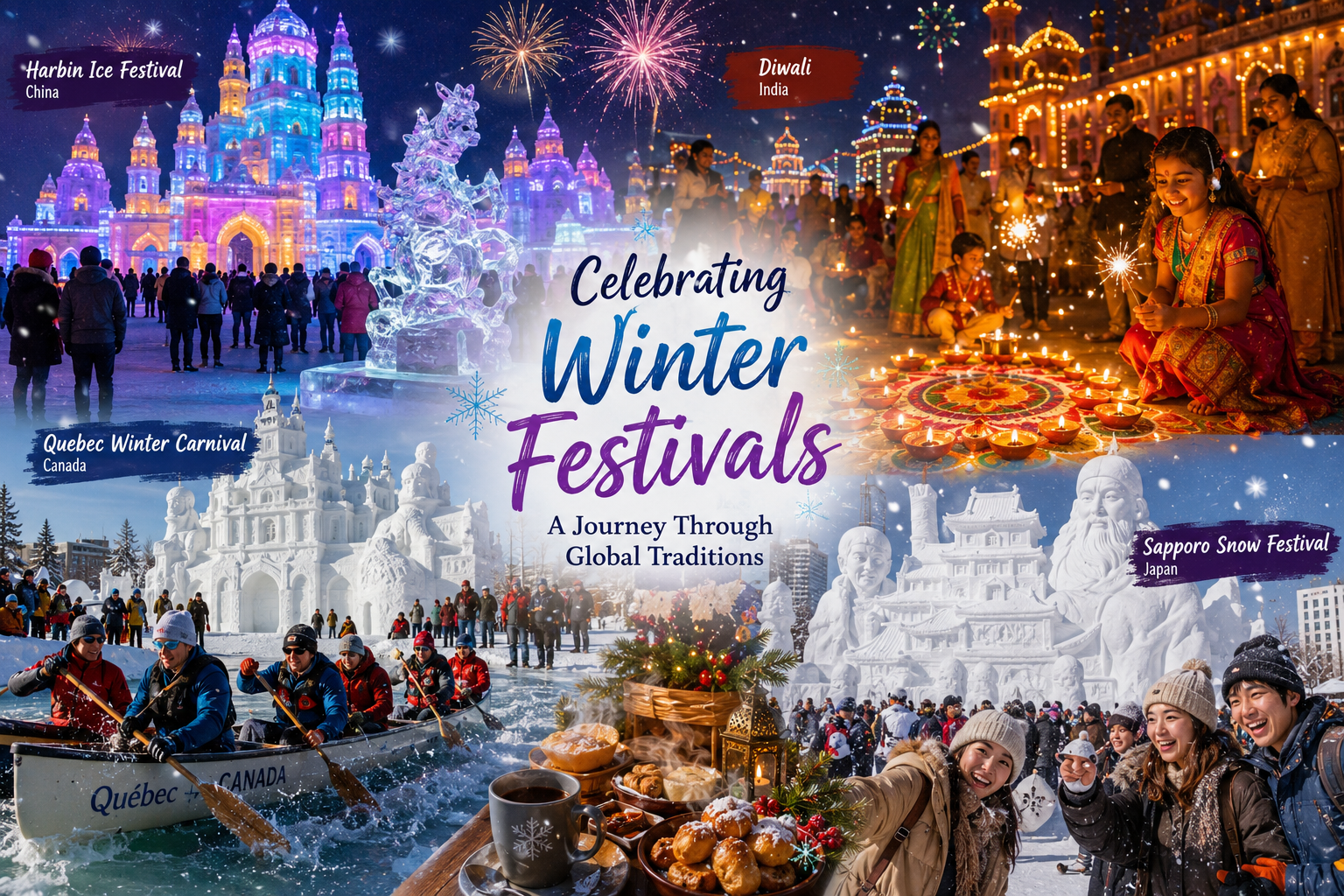
Celebrating Winter Festivals: A Journey Through Global Traditions
Celebrating Winter Festivals: A Journey Through Global Traditions – Winter festivals are among the most captivating cultural celebrations in the world. As temperatures drop and landscapes transform with snow, lights, and seasonal decorations, communities across different countries come together to honor traditions that have been passed down through generations. These festivals represent much more than entertainment; they embody cultural identity, historical heritage, and the enduring spirit of community.
From dazzling ice sculptures in China to colorful celebrations of light in India, winter festivals provide unique opportunities for people to connect with their roots while sharing their customs with visitors from around the globe. For travelers, these events offer an immersive way to experience local culture, cuisine, music, and traditions. As winter tourism continues to grow, festivals remain a major attraction that brings together people from diverse backgrounds in a celebration of creativity, unity, and seasonal joy.
The Cultural Importance of Winter Festivals
Winter has historically been a significant season in many societies. In regions with harsh climates, communities often gathered during the colder months to celebrate survival, express gratitude, and strengthen social bonds. Over time, these gatherings evolved into elaborate festivals that combined religious beliefs, cultural practices, and local customs.
Today, winter festivals continue to preserve these traditions while adapting to modern audiences. They provide a space where cultural heritage can be celebrated and shared with younger generations. Through traditional music, dance, storytelling, and ceremonial activities, communities keep their histories alive and ensure that important cultural values remain relevant.
Many winter festivals also emphasize themes such as hope, renewal, gratitude, and togetherness. These universal messages resonate with people worldwide, making winter celebrations both culturally specific and globally appealing.
Harbin Ice and Snow Festival: China’s Frozen Wonderland
One of the world’s most spectacular winter events is the Harbin International Ice and Snow Festival in northeastern China. Held annually in Harbin, this festival transforms the city into a breathtaking frozen wonderland featuring enormous ice sculptures, illuminated castles, and intricate architectural replicas carved entirely from ice.
Artists and craftsmen spend weeks creating massive displays that attract millions of visitors every year. At night, colorful lights embedded within the ice structures create a magical atmosphere that feels almost otherworldly.
The festival highlights both artistic creativity and engineering skill. Beyond the sculptures, visitors can enjoy ice skating, snow activities, winter sports, and cultural performances that showcase the region’s traditions. The event has become one of China’s most important winter tourism attractions and demonstrates how art and culture can transform a natural environment into a global destination.
Diwali and the Celebration of Light
Although Diwali does not always occur during the traditional winter season in every region, it is often associated with cooler months and remains one of the most significant cultural celebrations in India and among Indian communities worldwide.
Known as the Festival of Lights, Diwali symbolizes the triumph of light over darkness and good over evil. Families decorate homes with oil lamps, colorful rangoli patterns, and festive lights. Fireworks illuminate the night sky while communities gather to exchange gifts and enjoy traditional sweets.
Diwali’s cultural significance extends beyond religious observance. It encourages family unity, generosity, and optimism. For visitors, the festival provides a remarkable opportunity to experience Indian traditions, cuisine, music, and hospitality firsthand.
The vibrant atmosphere and meaningful symbolism have helped make Diwali one of the most recognized cultural celebrations globally, attracting travelers eager to witness its beauty and participate in its festivities.
Quebec Winter Carnival: Canada’s Snowy Tradition
In Canada, Quebec Winter Carnival stands as one of the largest and most famous winter festivals in the world. Established in the late nineteenth century, the carnival celebrates the unique winter culture of Quebec while embracing the region’s French heritage.
The festival features a wide range of activities, including snow sculpture competitions, ice canoe races, parades, outdoor concerts, and family-friendly entertainment. The iconic Bonhomme Carnaval mascot serves as a symbol of the event and is beloved by locals and visitors alike.
The ice canoe race is particularly notable because it reflects historical transportation methods used along the frozen St. Lawrence River. Participants navigate icy waters and frozen sections of the river, demonstrating both athleticism and respect for local traditions.
Through these activities, the Quebec Winter Carnival showcases how communities can embrace winter conditions while transforming them into opportunities for celebration and cultural expression.
Winter Festivals as Drivers of Tourism
Winter festivals play a vital role in supporting tourism and local economies. Major festivals attract visitors from across the globe, generating revenue for hotels, restaurants, transportation services, and local businesses.
For many destinations, winter festivals help extend the tourism season beyond traditional peak periods. Travelers who might not otherwise visit during colder months are drawn by unique cultural experiences, seasonal attractions, and festive atmospheres.
In addition to economic benefits, tourism associated with winter festivals encourages cultural exchange. Visitors gain deeper insights into local customs while communities have opportunities to share their heritage with international audiences.
Many cities invest heavily in festival infrastructure, public events, and promotional campaigns because these celebrations contribute significantly to regional development and global visibility.
Traditional Activities and Community Participation
A defining feature of winter festivals is the emphasis on community involvement. Unlike many tourist attractions, festivals encourage active participation rather than passive observation.
Traditional activities often include folk dances, musical performances, storytelling sessions, craft workshops, and culinary demonstrations. Local residents play a central role in organizing and maintaining these events, ensuring authenticity and preserving cultural integrity.
Food is another important element of winter celebrations. Festival visitors frequently enjoy regional specialties that reflect local history and agricultural traditions. From warm soups and pastries to festive desserts and seasonal beverages, culinary experiences help create memorable connections between travelers and local cultures.
Community gatherings also strengthen social bonds. Families, friends, and neighbors come together to celebrate shared traditions, creating a sense of belonging that extends beyond the festival itself.
Preserving Heritage in a Modern World
As globalization continues to influence societies worldwide, winter festivals serve as valuable tools for cultural preservation. They provide opportunities to celebrate local identities while introducing traditions to new audiences.
Modern festivals often blend historical customs with contemporary elements such as digital art, interactive exhibits, and innovative performances. This balance helps keep traditions relevant while appealing to younger generations and international visitors.
Educational programs associated with festivals also contribute to cultural awareness. Museums, cultural centers, and festival organizers frequently offer workshops and exhibitions that explore the historical significance of seasonal traditions.
By preserving customs and promoting cultural understanding, winter festivals help maintain diversity in an increasingly interconnected world.
Conclusion
Winter festivals are far more than seasonal celebrations. They are living expressions of cultural heritage, community spirit, and human creativity. From the magnificent ice sculptures of Harbin to the radiant lights of Diwali and the snowy adventures of Quebec Winter Carnival, these events showcase the unique traditions that define communities across the globe.
For travelers, winter festivals offer unforgettable opportunities to engage with local cultures, discover authentic traditions, and experience the warmth of human connection during the coldest months of the year. As tourism continues to evolve, these celebrations remain powerful reminders that culture, creativity, and community can bring people together regardless of geography or background.
This content is sponsored by https://www.ez96live.com/.
