
Bun Bang Fai: The Rocket Festival and Its Ancient Rain Rituals
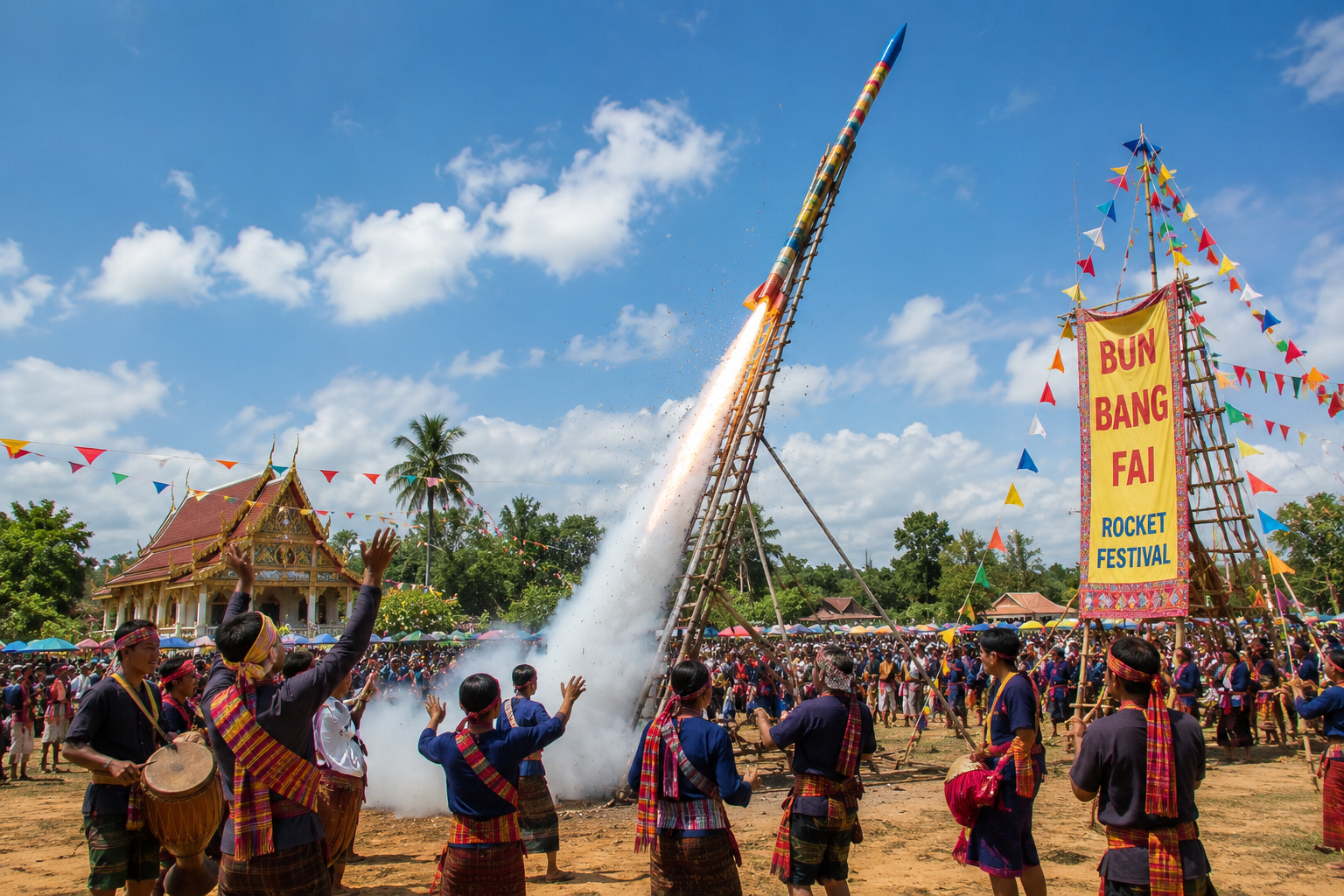
Bun Bang Fai: The Rocket Festival and Its Ancient Rain Rituals – Bun Bang Fai, often referred to as the Rocket Festival, is a vibrant and culturally rich event celebrated predominantly in northeastern Thailand. This festival, which typically takes place in May, has deep historical roots and its primary objective is to invoke rain for the impending rice planting season. This ancient ritual highlights the intimate connection between local communities and agricultural practices, particularly rice farming, which is a cornerstone of their livelihoods.
The origins of Bun Bang Fai can be traced back to animistic beliefs and agricultural traditions, where the indigenous people sought the favor of deities associated with fertility and rainfall. As the festival evolved, it incorporated elements of local folklore and Buddhist influences, further enhancing its significance within the cultural landscape of Thailand. Today, Bun Bang Fai is not only a celebration of agricultural abundance but also a showcase of local artistic expression, communal participation, and cultural heritage.
In essence, Bun Bang Fai serves as both a ritualistic prayer for rainfall and a celebration of community spirit. It embodies the historical significance of agricultural practices in northeastern Thailand, encapsulating centuries of traditions that highlight the dependency on nature’s cycles. As communities continue to uphold this vibrant festival, Bun Bang Fai remains a testament to the enduring cultural values that thrive in the region.
Cultural Significance of Bun Bang Fai
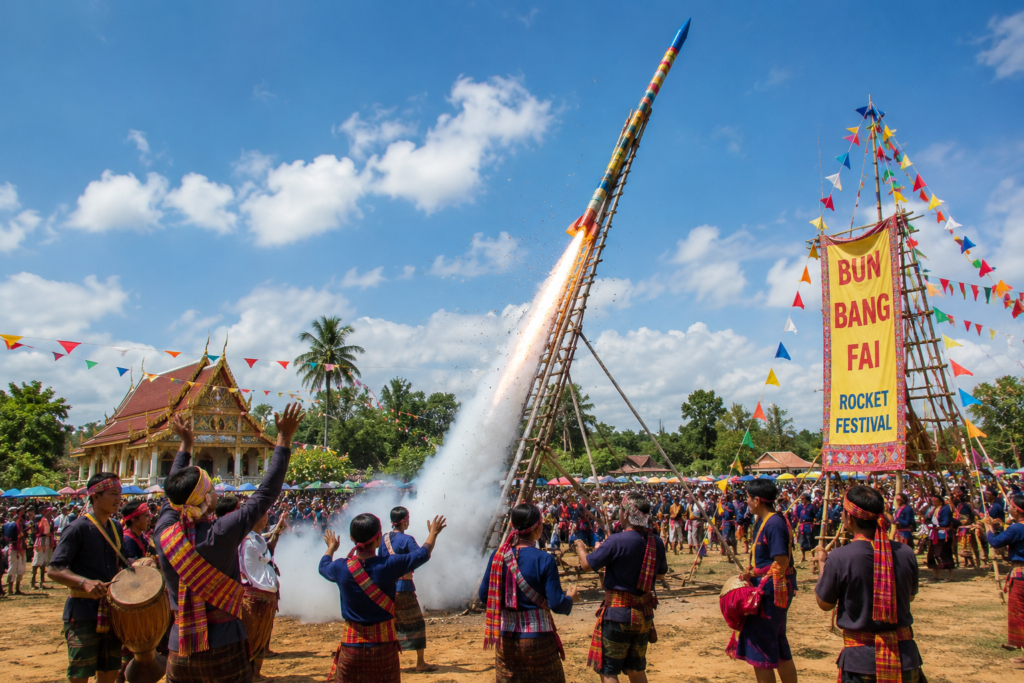
The Bun Bang Fai festival, also known as the Rocket Festival, is steeped in cultural significance for the local communities in northeastern Thailand. This annual event is not only a vibrant display of colorful rockets but also a profound expression of unity and cooperation among villages. Every year, community members come together to construct and launch homemade rockets, symbolizing their collective hope for plentiful rain and a bountiful harvest. The collaborative effort required to build these rockets fosters a strong sense of belonging and camaraderie among villagers, making the festival a key element of local identity.
Participating in Bun Bang Fai reinforces social bonds and traditions that have been passed down through generations. Villagers often engage in various activities leading up to the festival, including the decoration of the rockets and organizing parades, which enliven the community spirit. Local beliefs play a pivotal role in this celebration, as the launching of the rockets is seen as a ritualistic offering to the spirits, aimed at ensuring favorable weather conditions. This blend of tradition and community participation exemplifies how Bun Bang Fai serves as a focal point for cultural expression, allowing people to connect with their heritage while engaging with one another.
Furthermore, the festival affects local identity by intertwining seasonal agricultural practices with rituals aimed at invoking rain. As villagers set off rockets, they reaffirm their relationship with nature and emphasize the interdependence between agriculture and cultural practices. The unique aspects of the Bun Bang Fai festival reflect the rich history of the region, making it a vital cultural landmark. Thus, this annual celebration not only marks the arrival of the rainy season but also solidifies communal ties and reinforces the local identity that binds the people together.
The Rituals and Preparations for the Festival
The Bun Bang Fai festival is a vibrant annual celebration that showcases rich cultural heritage and spiritual traditions. Preparations for the festival begin weeks in advance, with local communities actively involved in various rituals and activities that set the stage for the event. One of the most significant aspects of these preparations is the construction of the rockets, which requires considerable skill and craftsmanship.
Local artisans, often descending from families with a long lineage of rocket-making, play a vital role in this process. They gather essential materials such as bamboo, gunpowder, and traditional pigments to create the rockets that will soar into the sky. The craftsmanship involved is not merely functional; it is imbued with cultural significance. Artisans meticulously design each rocket to represent different motifs, which can include symbols of prosperity, fertility, and the wish for rain.
In addition to the rocket construction, spiritual rituals form a core part of the festival preparations. Before the rockets are launched, the community participates in ceremonies that include offerings to deities and ancestral spirits. These offerings often consist of food, flowers, and incense, placed at altars as tokens of respect and devotion. Through these rituals, participants seek blessings for bountiful rainfall, which is essential for the agricultural practices in the region. The act of launching the rockets serves as a plea to the heavens, symbolizing the community’s unified hope for adequate rain to sustain their crops and livelihoods.
The rituals and preparations for Bun Bang Fai encapsulate a remarkable blend of artistry and spirituality, highlighting the importance of communal involvement and cultural identity within this festival. Each act, from craftsmanship to offering rituals, underscores the significance of the event in maintaining traditional practices and fostering collective hope for rain.
Concluding Thoughts on Bun Bang Fai and Its Future
The Bun Bang Fai festival, celebrated annually in Thailand, is not merely an event; it symbolizes a rich cultural heritage steeped in ancient rituals and community participation. As we reflect on the significance of this unique festival, it is essential to acknowledge both its historical importance and the contemporary challenges it faces. In a world increasingly influenced by globalization, traditional practices such as Bun Bang Fai are at risk of being overshadowed by modern trends and lifestyle changes.
One of the primary challenges confronting the Bun Bang Fai festival is environmental sustainability. The tradition involves the launching of homemade rockets, which, while spectacular, poses environmental risks, including litter and noise pollution. These factors have prompted local communities and organizers to seek innovative solutions to minimize the ecological footprint of the festival while preserving its thrilling essence. Community leaders are encouraged to implement sustainable practices, such as recycling materials used in rocket construction and promoting awareness of environmental responsibilities among participants.
Despite these hurdles, there is a concerted effort to ensure the survival of Bun Bang Fai in the face of modernization and environmental concerns. Cultural preservation programs and initiatives aimed at educating younger generations about this festival’s significance are vital for its continued existence. Efforts to strengthen community ties and foster a sense of belonging through events like Bun Bang Fai are paramount, as they not only celebrate tradition but also foster solidarity and collective identity among participants.
In conclusion, the Bun Bang Fai festival stands as a testament to Thailand’s vibrant cultural tapestry. As communities adapt to modern realities, embracing sustainable practices and nurturing their cultural roots remain critical to ensuring that such ancient traditions continue to thrive for future generations. By valuing and preserving events like Bun Bang Fai, societies can celebrate their identity while laying a foundation for a sustainable future.
