International Art Festivals: A Global Celebration
International Art Festivals: A Global Celebration – International art festivals have increasingly emerged as vital platforms for the promotion of creativity and cultural exchange. These festivals attract artists from various backgrounds and disciplines, offering them a unique environment to showcase their work while experimenting with new ideas. With a diverse array of participants, art festivals serve as melting pots of inspiration, where innovation can flourish beyond conventional boundaries.
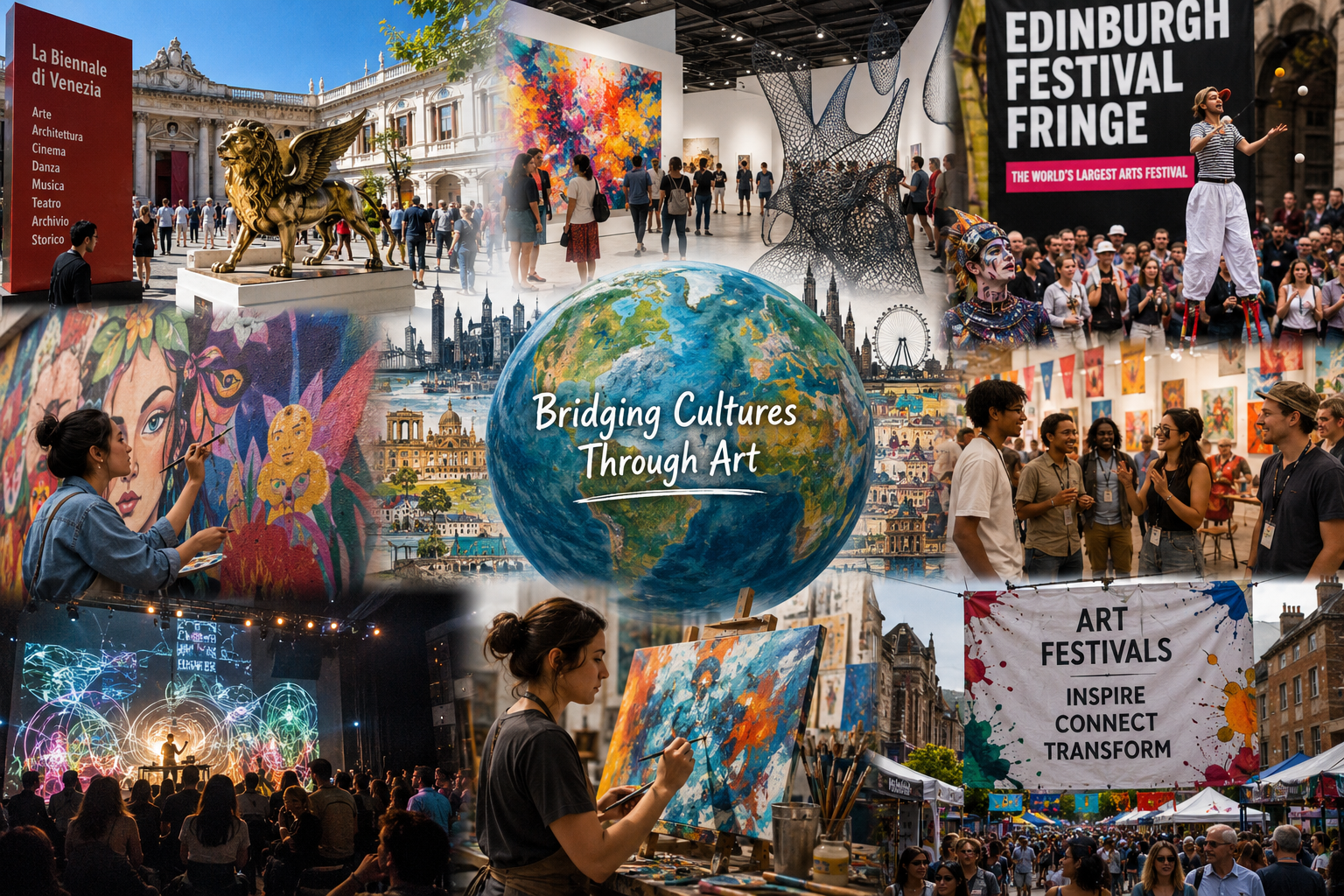
One of the defining characteristics of these festivals is their ability to foster collaboration among artists. By bringing together creative minds from around the world, international art festivals encourage the exchange of knowledge, techniques, and perspectives. This collaborative atmosphere can lead to the birth of experimental projects that challenge traditional notions of art. For example, the Venice Biennale, renowned for showcasing contemporary art, has been instrumental in promoting avant-garde expressions and new media art forms.
Noteworthy festivals like Art Basel and the Edinburgh Festival Fringe exemplify how cultural heritage can influence contemporary artistic practices. Art Basel, for instance, celebrates the intersection of high art and popular culture, enabling artists to engage with a broad audience while also providing a marketplace for innovative artistic expressions. The Edinburgh Festival Fringe allows various art forms to coalesce, highlighting the dynamism of theater, visual arts, and experimental performances. These festivals not only elevate the work of individual artists but also contribute to the enrichment of local cultural landscapes.
As a result of their unique environments, international art festivals have become essential in pushing creative boundaries. They inspire artists to transcend their disciplinary confines, engage in critical dialogues, and explore aesthetics that reflect cultural diversity. Through these enriched interactions and inspiring frameworks, festivals play a pivotal role in nurturing creativity and facilitating vital cultural exchanges that resonate within the global art community.
Cultural Exchange: Bridging Divides Through Art
International art festivals serve as vibrant platforms for cultural exchange, fostering connections among artists, audiences, and communities from diverse backgrounds. These festivals are a unique embodiment of cultural heritage, enabling dialogues that transcend geographical boundaries. Artists from various corners of the world come together to showcase their work, thereby sharing their unique narratives and perspectives. Such environments invite individuals to engage deeply with each other’s cultures, breaking down preconceived notions and stereotypes.
For instance, the Venice Biennale is a prime example of how an art festival can promote cultural understanding. Artists from countries often framed by conflict or misunderstanding are offered a stage to present their work, facilitating conversations about their histories and experiences. The festival not only celebrates contemporary art but also serves as a crucial medium for promoting tolerance and fostering a more inclusive society. Through this lens, art festivals become an essential tool in the pursuit of global solidarity.
Moreover, the Edinburgh Festival Fringe, recognized as the world’s largest arts festival, further exemplifies the power of cultural exchange. With performances ranging from theater to visual arts, it invites participants from various nations to present their interpretations of universal themes. This inclusivity allows audiences to witness the richness of global narratives, ultimately encouraging empathy and understanding between disparate cultures. Artistic experiences at these festivals highlight the importance of collaboration, as artists often engage with local communities, reinforcing the concept of shared cultural heritage.
Such festivals not only enhance tourism but also contribute significantly to the local economies of host cities, promoting a cultural dialogue that leaves lasting impressions. The collaborative nature of international art festivals plays a pivotal role in enriching the cultural landscape, revealing that creativity bears the potential to bridge divides and connect diverse populations.
Economic Development: Art Festivals as a Boost for Local Economies
International art festivals serve as essential catalysts for economic development, significantly enhancing the prosperity of their host cities and regions. By attracting cultural tourism, these festivals provide an influx of visitors eager to experience a variety of contemporary art and cultural heritage. This increased foot traffic greatly benefits local businesses, including hotels, restaurants, and retail establishments, that cater to both tourists and residents alike. For instance, cities such as Edinburgh and Venice report substantial economic returns from their renowned festivals, indicating profound financial impacts on the local economy.
In addition to boosting tourism, art festivals are instrumental in job creation within the arts and related sectors. These events require a diverse array of professionals, including artists, organizers, catering teams, and facilitators who contribute to the festival’s success. Furthermore, the development of venues and infrastructures for art festivities necessitates investment, creating construction and maintenance jobs that contribute to the economic fabric of the area. Cities like Basel experience significant employment upticks during the Art Basel festival, showcasing how cultural initiatives lead to job growth.
Moreover, the long-term economic impact of hosting such festivals is noteworthy. As the local community becomes increasingly engaged with cultural events, a sense of identity and pride emerges, fostering an environment conducive to sustainable tourism. Infrastructure improvements made for festivals, such as enhanced public transportation and upgraded facilities, benefit residents long after the event concludes. Ultimately, international art festivals not only celebrate cultural heritage and contemporary art but also drive substantial and lasting economic development, securing their place as vital components of urban growth and prosperity.
Supporting Emerging Artists: Opportunities and Platforms
International art festivals play a vital role in nurturing and promoting emerging artists, offering them valuable opportunities for growth and exposure. These festivals serve as vibrant platforms where new talents can showcase their work and connect with a diverse audience of art enthusiasts, collectors, and critics. By participating in these cultural festivals, artists are not only able to present their creations but also engage in meaningful dialogues about contemporary art, which contributes to their artistic development.
Many art festivals curate specific programs designed to uplift emerging artists, providing them with essential resources and support. This may include artist residencies that offer time and space to create, mentorship programs that connect them with established professionals in the field, and showcases dedicated to highlighting their works. Such initiatives help foster a sense of community and enhance the visibility of these artists, facilitating networking opportunities that can lead to future collaborations and exhibitions.
Moreover, the feedback received during these festivals constitutes an invaluable component of the growth process for emerging artists. Interaction with audiences and constructive criticism from established peers enable them to refine their techniques and concepts. Numerous success stories from previous art festivals demonstrate the transformative power these platforms can have in launching careers and elevating artistic practices. For instance, many artists have found recognition and support after being noticed at festivals, propelling them onto the global stage.
In conclusion, international art festivals not only celebrate cultural heritage but also serve as a crucial catalyst for emerging artists to thrive in their careers. By offering opportunities for exposure, professional development, and community engagement, these festivals play an indispensable role in the ongoing evolution of contemporary art.
This content sponsored by https://www.ez96live.com/
