Gawai Dayak: The Harvest Festival of Borneo’s Indigenous People
Gawai Dayak: The Harvest Festival of Borneo’s Indigenous People – Gawai Dayak, celebrated annually on June 1st, is an important cultural festival for the Dayak people, who are native to Borneo. This harvest festival marks the end of the rice harvesting season and is characterized by a range of traditional rituals, feasting, and community gatherings. The term “Gawai” is derived from the Iban language, meaning a festival or celebration, and underscores the importance of agricultural practices within Dayak culture.
The origins of Gawai Dayak can be traced back to the ancient agricultural rites practiced by the Dayak ancestors. These early rituals were aimed at honoring the spirits associated with rice cultivation and ensuring bountiful harvests. Over the years, the festival has evolved into a vibrant celebration that highlights the rich cultural heritage of the Dayak people and their deep connection to the land. It serves not only as a time to give thanks but also as an opportunity to reinforce community bonds and showcase traditional values.
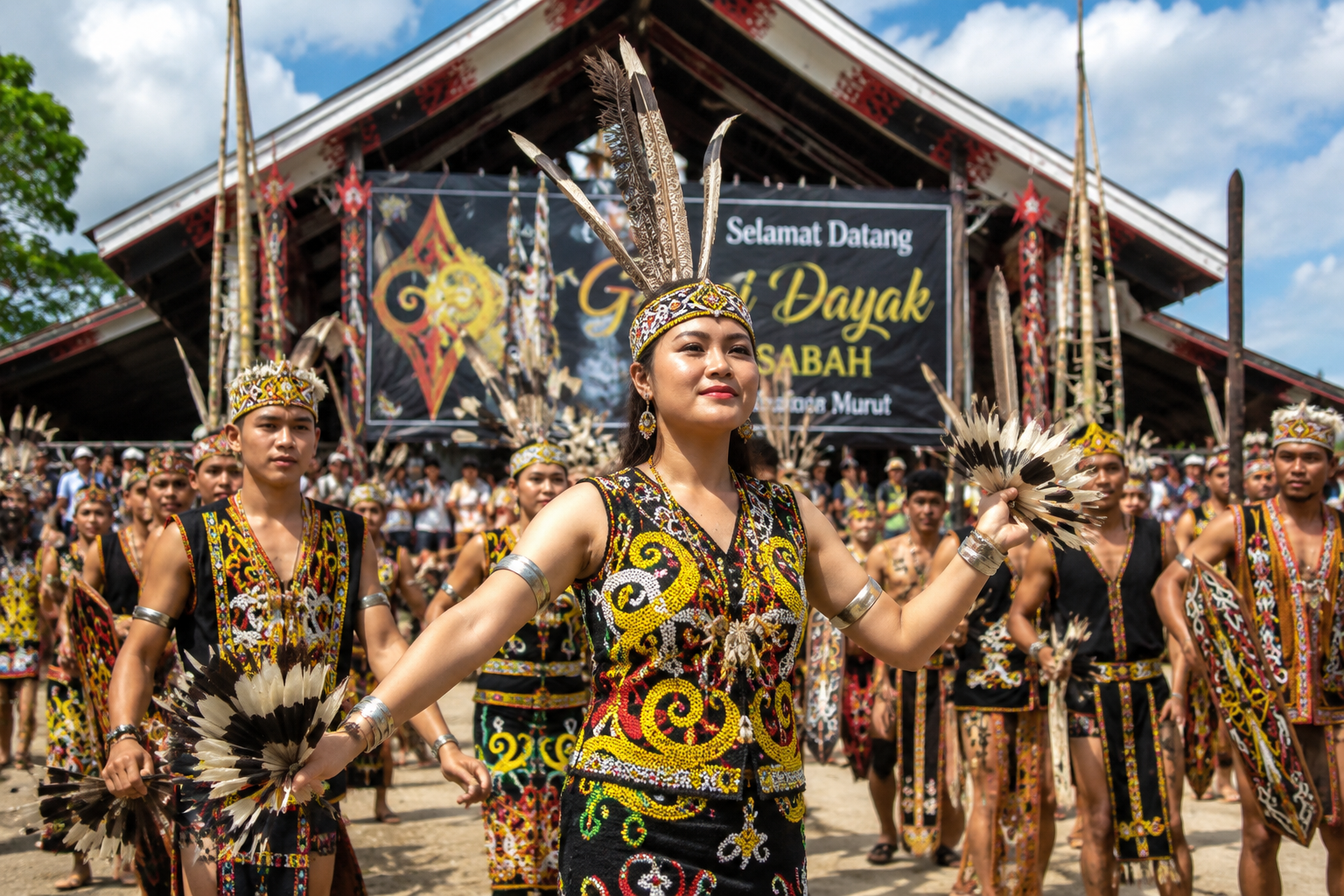
During Gawai Dayak, various cultural performances and traditional art forms are on display, allowing participants and spectators to engage with the nuances of Dayak identity. This festival also sees the preparation of traditional dishes and the sharing of festive drinks like tuak, a local rice wine. Gawai Dayak is a time for the younger generation to learn from their elders about traditions, folklore, and the importance of preserving their unique cultural identity.
In essence, Gawai Dayak is more than just a celebration of the harvest; it is a vital link that connects the Dayak people to their ancestral roots and cultural practices. Each celebration fosters a sense of pride, unity, and continuity, ensuring that the traditions of the Dayak people remain alive and relevant for future generations.
Traditions and Rituals of Gawai Dayak
Gawai Dayak, celebrated primarily by the Dayak community of Borneo, is a vibrant festival that encompasses a rich tapestry of traditions and rituals. At its core, Gawai Dayak is a time to express gratitude to the spirits of the land, the ancestors, and the harvest that has been reaped. Central to the festival are rituals that invite blessings and prosperity, reflecting the deep spiritual connection that the indigenous people maintain with nature and their heritage.
The rituals often commence with a traditional prayer called ‘Ngiling Bidai,’ where offerings are made to the spirits. These offerings usually consist of rice, fruits, and sometimes animal sacrifices, symbolizing respect and reverence for the supernatural. Throughout Gawai, the Dayak community engages in various ceremonies intended to thank their ancestors for protection and guidance. This profound appreciation is illustrated in the collective chants and prayers performed during the festival.
Food also plays a crucial role in Gawai Dayak traditions. Preparations begin days ahead, as families come together to cook traditional dishes such as ‘tuak’ (rice wine) and ‘nasi empilit’ (sticky rice). The act of cooking is communal, reinforcing bonds among family members and reinforcing the significance of unity during the festival. Traditional music and dance accompany these culinary activities, with songs that celebrate harvests and narrate stories of the ancestors being performed.
Communal gatherings are another hallmark of Gawai Dayak, as families and entire villages come together to partake in celebrations. These gatherings foster a sense of community and belonging, showcasing an array of colors, costumes, and movements in traditional dance performances. As the night falls, the communal spirit intensifies; people join hands, dance in circles, and share laughter, further solidifying the essence of togetherness that underlies the Gawai Dayak celebration.
Modern Celebrations and Adaptations
Gawai Dayak, traditionally a harvest festival that celebrates the end of the paddy harvesting season among the Dayak people of Borneo, has undergone significant transformations in recent years. These changes are largely attributed to the influences of modernity and globalization, which have reshaped the ways in which this cultural celebration is observed. While still deeply rooted in its origins, Gawai Dayak now incorporates elements that resonate with contemporary society.
One of the most notable adaptations is the increasing participation of younger generations who play a crucial role in keeping the spirit of the festival alive. This demographic shift has led to a blend of traditional practices with modern influences, as younger Dayaks often seek to create a more dynamic celebration. For instance, they incorporate contemporary music styles and dance into the festivities, alongside traditional rituals and performances, making the event more engaging for all attendees.
Furthermore, Gawai Dayak is no longer confined to rural settings; it has expanded significantly into urban areas, where many Dayak communities now reside. This urbanization has facilitated a wider audience, allowing individuals from diverse backgrounds to experience the festival. In metropolitan areas, Gawai celebrations often include food fairs, cultural exhibitions, and modern art displays, which help to highlight the rich heritage of the Dayak people while appealing to contemporary tastes.
Additionally, the rise of technology and social media has revolutionized how Gawai Dayak is promoted and celebrated. Social media platforms serve as crucial tools for sharing festive moments, connecting with fellow Dayaks, and raising awareness about the cultural significance of Gawai Dayak. As a result, the festival has reached a global audience, drawing interest from both locals and tourists alike. This digital engagement fosters a stronger sense of community and allows the Dayak culture to thrive, even in a fast-paced modern world.
The Significance of Gawai Dayak Today
Gawai Dayak, celebrated annually on June 1st by the Dayak people of Borneo, holds immense significance in the contemporary context of cultural preservation and community identity. This traditional harvest festival is not merely a celebration of agricultural success; it is a vital expression of the Dayak culture and heritage that embodies their spiritual beliefs, communal values, and social bonds. In an era characterized by rapid globalization, the Dayak community faces the pressing challenge of preserving their distinct identity, and Gawai Dayak serves as a cornerstone for these efforts.
Amidst various external influences that threaten to dilute cultural practices, the Dayak people actively engage in initiatives to uphold their customs. Gawai Dayak presents an opportunity for both local and international awareness, educating others about their rich traditions, languages, and lifestyle that have been passed down through generations. By participating in this festival, the Dayak community not only reinforces their cultural roots but also invites dialogue with outsiders, fostering mutual respect and understanding.
Furthermore, many Dayak families use the festival as a time to gather and strengthen family ties, passing on stories and practices to younger generations. This aspect is crucial, as the younger populace is the key to ensuring the continuity of these traditions. Workshops, cultural performances, and traditional rituals during Gawai allow community members to engage deeply with their cultural practices, thereby solidifying their identity in a world that often prioritizes uniformity.
Looking toward the future, Gawai Dayak’s role extends beyond mere tradition. It is poised to be an essential factor in fostering unity among indigenous people across Borneo. As tribes come together to celebrate, they not only reinforce their shared heritage but also create collective strength to advocate for their rights and representation. In this way, Gawai Dayak not only embodies the Dayak spirit but ensures that it thrives for generations to come.