Celebrating Global Festivals: A Journey Through Culture, Tradition, and Community
Introduction to Global Festivals
Global festivals play a pivotal role in reflecting the diverse tapestry of human culture and tradition. They serve as vital expressions of cultural identity, showcasing unique customs, practices, and beliefs that are integral to various communities around the world. Each festival, whether religious, seasonal, or commemorative, embodies centuries of history passed down through generations, bridging the gap between the ancient and contemporary. As societies continue to evolve, these celebrations maintain a deep connection to the past while adapting to modern influences.
Festivals not only honor the values and narratives intrinsic to specific cultures but also foster a sense of belonging and unity among participants. They provide a platform for individuals to come together, share experiences, and forge connections, thereby reinforcing community ties. Through music, dance, art, and culinary traditions, festivals create an immersive environment that invites both locals and visitors to engage in the richness of cultural expression.
The importance of global festivals extends beyond mere celebration; they facilitate cultural exchange and understanding. When individuals from different backgrounds partake in these events, they gain insight into diverse worldviews and practices, fostering mutual respect and appreciation. This cross-cultural interaction can lead to the breaking down of barriers and the enriching of personal and communal relationships.
As we explore the myriad manifestations of global festivals, we will uncover how they encapsulate not only the essence of cultural heritage but also the universal human experience. By celebrating together, we acknowledge our shared humanity and honor the unique traditions that define our individual and collective identities.
Historical Roots of Festivals
Festivals have long served as vivid reflections of the cultural, religious, and social identities of communities worldwide. Their origins often trace back to ancient times, when early civilizations celebrated seasonal changes, agricultural cycles, and significant milestones. These early festivities not only marked the passage of time but also reinforced communal bonds through shared experiences.
The role of religion in the development of festivals cannot be overstated. Many traditional celebrations stem from religious observances that seek to honor deities, commemorate historical events, or cultivate spiritual reflection. For instance, many harvest festivals are rooted in agrarian societies’ reverence for nature’s bounty and the divine forces believed to govern it. The adoption of Christianity, Hinduism, Buddhism, and other religions significantly influenced the evolution of these early practices, leading to the creation of new festivals that integrated local customs with religious beliefs.
Mythology further enriches the tapestry of festivals, offering narratives that give meaning to celebrations. In ancient Greek culture, festivals like Dionysia showcased the importance of mythology in society, using performance and ritual to engage communities with their gods and legends. Over time, these myths have transformed, adapting to contemporary values while retaining their core significance, thus allowing festivals to evolve without losing their historical roots.
As societies advanced and globalization intensified, local customs began to interweave with broader cultural practices. This blending has resulted in unique interpretations of traditional festivals, making them more inclusive and representative of diverse communities. Today, festivals serve not only as expressions of cultural heritage but also as opportunities for people to connect, fostering unity and understanding in a multicultural world.
Diverse Traditions and Customs
Festivals around the globe serve as a testament to the rich tapestry of human culture, showcasing a multitude of traditions and customs that reflect local values and histories. Each festival is a unique story told through rituals, attire, and practices that have evolved over centuries. For instance, the Diwali festival in India, known as the Festival of Lights, is celebrated by adorning homes with oil lamps and vibrant rangoli designs while families gather to share sweets and gifts. This tradition symbolizes the victory of light over darkness and knowledge over ignorance.
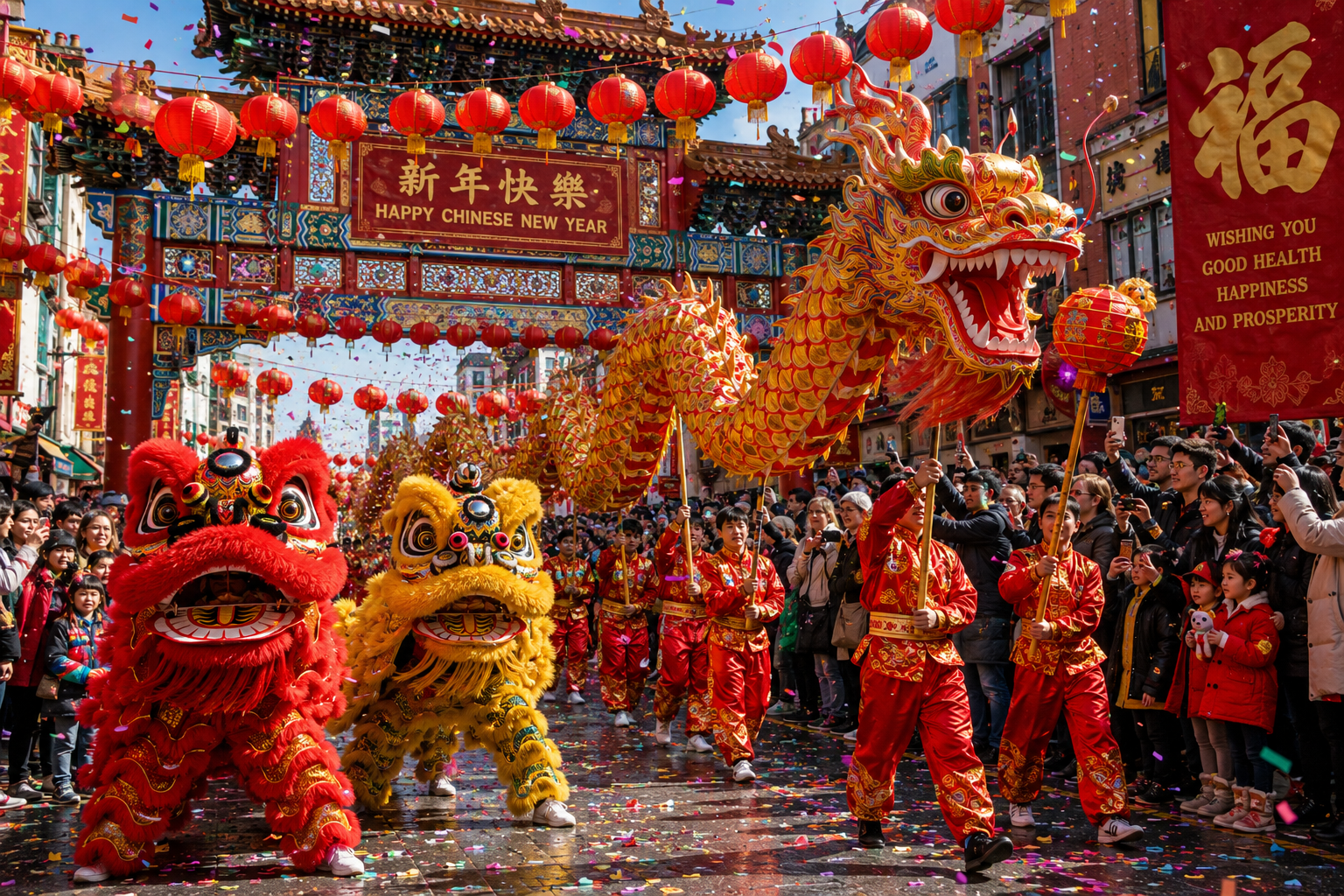
In contrast, the Chinese New Year portrays a collection of age-old customs, such as the symbolic dragon and lion dances which are performed to usher in good luck and prosperity for the coming year. Families partake in extensive meals, and the giving of red envelopes filled with money, known as “hongbao,” is a cherished practice that emphasizes the importance of family and community bonding during this auspicious time.
Similarly, in Mexico, the Día de los Muertos (Day of the Dead) is a poignant festival marked by its beautiful altars and sugar skulls honoring deceased loved ones. This celebration juxtaposes mourning with joy, illustrating a cultural belief that death is part of life’s continuum. Attendees wear traditional clothing and paint their faces to resemble skulls, embracing both remembrance and festivity.
These diverse festivals all around the world underline not just regional identities but also shared human experiences. Through communal gatherings, expressive performance arts, and traditional dress, communities effectively convey their histories and values. Such celebrations illuminate the various ways people express joy, gratitude, and remembrance, reminding us of our interconnectedness amid our unique customs.
Culinary Delights: Food at Festivals
Food plays an integral role in festivals around the globe, serving not only as sustenance but also as a means of cultural expression and community bonding. Each celebration showcases traditional dishes that carry historical significance and reflect the local heritage. Across various cultures, festival foods are often crafted from recipes passed down through generations, instilling a sense of pride and continuity among community members.
For example, during Diwali, the Festival of Lights celebrated by millions in India, sweets such as laddoos and barfis are prepared for family gatherings and community feasts. These treats symbolize the joy of victory of light over darkness and are shared among neighbors, strengthening communal ties. Similarly, in Mexico, the Day of the Dead, or Día de los Muertos, features offerings of pan de muerto, a special bread decorated to honor the deceased. This culinary ritual symbolizes remembrance and familial love, reinforcing the bonds among loved ones.
In addition to traditional dishes, many festivals highlight local ingredients that showcase regional flavors and agricultural practices. For instance, during the Harvest Festival, known as Thanksgiving in the United States, meals centered around turkey and seasonal vegetables celebrate the bounty of the land. Ingredients like pumpkins, cranberries, and cornbread not only create a feast but also an appreciation of local produce and sustainable farming.
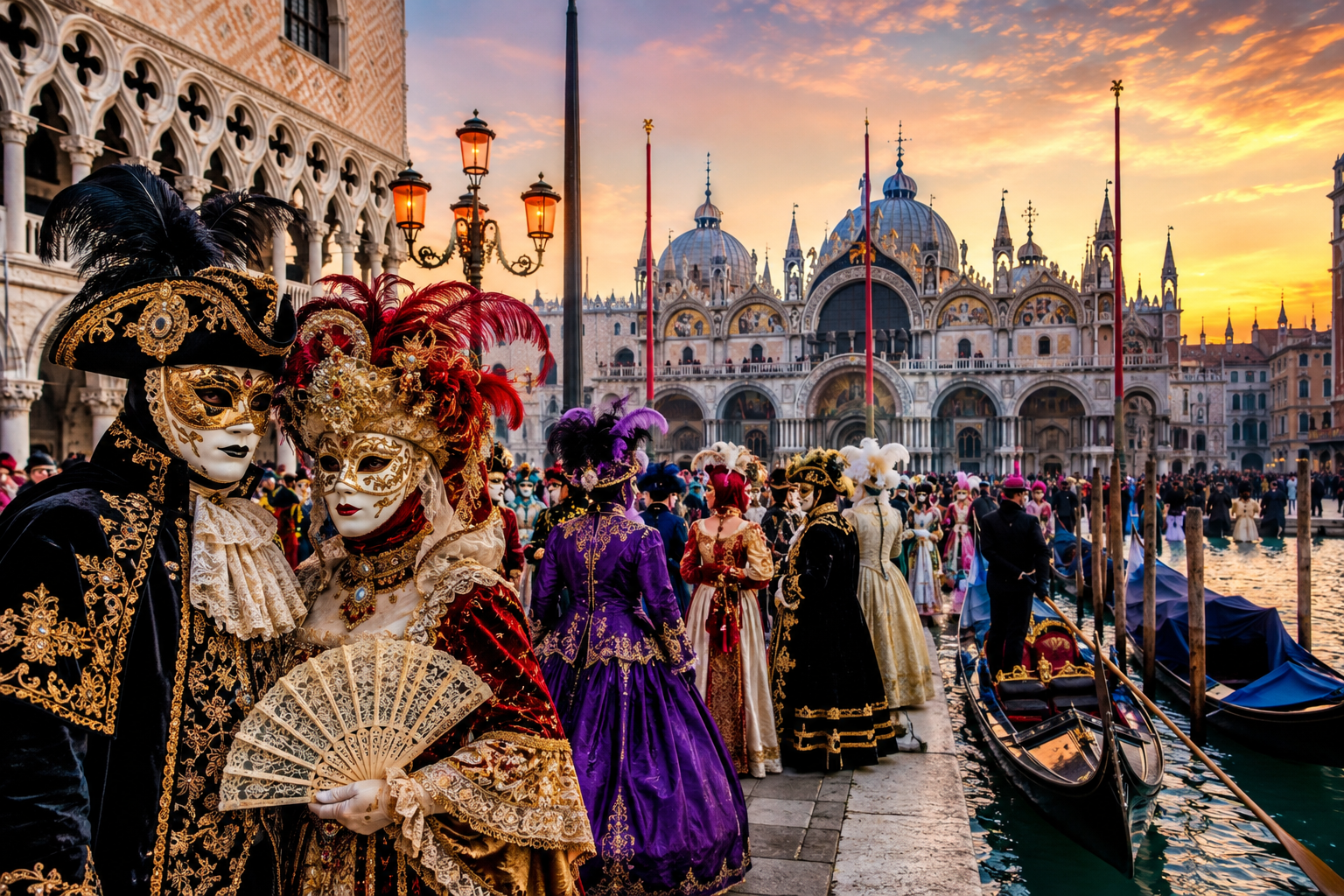
Preparation methods vary significantly across cultures, often involving elaborate cooking techniques and rituals that are as important as the final dish. In Italy, the annual Carnevale features rich, flaky pastries known as chiacchiere, fried to perfection and dusted with powdered sugar, showcasing the art of pastry-making that has been cherished for centuries. Such culinary practices are not merely about consumption; they embody the spirit of the festival, inviting participants to engage in shared experiences that foster community identity.
Music and Dance: The Heartbeat of Celebrations
Music and dance form the very essence of global festivals, serving as pivotal elements that convey cultural narratives and foster unity among communities. Throughout human history, these art forms have played an integral role in rituals and celebrations, providing a medium through which traditions are passed down through generations. From the rhythmic beats of traditional folk music to the eclectic sounds of modern interpretations, music is often the driving force of any festival.
At festivals, music not only entertains but also enriches the atmosphere, creating an immersive experience that engages attendees in a collective celebration. Each culture boasts unique musical styles that reflect its history, beliefs, and experiences. For instance, the drum circles at African festivals evoke a sense of kinship, while the lively flamenco performances in Spanish festivals showcase deep-rooted traditions that embody resilience and passion. These performances tell stories that resonate with both locals and visitors.
Dance, complementing music, becomes a physical expression of joy and communal spirit. Traditional dances such as the Indian Bharatanatyam or the native Hawaiian Hula are not merely art forms; they are steeped in cultural significance and often symbolize deeper meanings related to nature, spirituality, and ancestry. During festivals, communities come together to share these dances, reinforcing social ties and collective identity.
Moreover, contemporary music trends often blend traditional tunes with modern genres, reflecting the evolving nature of festivals. This fusion not only attracts diverse audiences but also ensures the survival of traditional art forms, making them relevant in a fast-paced world. Ultimately, music and dance are not just components of celebration; they are vital expressions of cultural heritage that promote understanding, pride, and joy among diverse communities.
Cultural Significance and Heritage Preservation
Festivals play a pivotal role in the preservation of cultural heritage, acting as dynamic platforms where traditions, rituals, and communal values are celebrated and transmitted across generations. These vibrant events often showcase unique art forms, music, culinary practices, and folklore, allowing communities to articulate their identity and foster a sense of belonging. In an era where globalization poses a threat to local customs, festivals serve as crucial bastions for the retention of cultural uniqueness.
When communities gather to celebrate their festivals, they engage in a collective reaffirmation of their cultural history. The rituals performed during such events often have deep-rooted significance, harking back to ancient practices that have shaped the societal norms and beliefs of the community. This transmission of knowledge—from one generation to the next—ensures that cultural narratives remain alive and relevant, allowing individuals to connect with their heritage while appreciating the evolution of their community’s identity.
Furthermore, festivals encourage intercultural dialogue and foster mutual respect. When diverse groups participate in each other’s celebrations, they undertake a journey of understanding, breaking down cultural barriers and misconceptions. Such interactions not only promote inclusivity but also enhance the richness of local cultures, demonstrating that a shared appreciation for various traditions can coexist harmoniously. As a result, festivals help in cultivating a global environment where intercultural appreciation flourishes.
In light of these factors, festivals are not simply festive gatherings; they are vital elements in the preservation of cultural heritage and identity. By actively participating in these celebrations, individuals assert their historical significance and engage in safeguarding their community’s traditions against the backdrop of an increasingly homogenized world. This ongoing effort to maintain and celebrate cultural heritage underlines the critical importance of preserving traditions dynamically and vibrantly, which festivals uniquely facilitate.
Community Engagement and Strengthening Bonds
Festivals serve as vital instruments in fostering community ties and promoting social cohesion among diverse populations. They encapsulate the shared values, traditions, and aspirations of the community, thereby providing a platform for individuals to unite in celebration and purpose. The engagement of local organizations and volunteers is central to the successful organization of these events, reflecting a collective effort to enhance community spirit.
Local organizations, including cultural associations, educational institutions, and civic groups, often play crucial roles in festival planning and execution. These entities leverage their networks to facilitate participation and ensure that the events reflect the community’s unique identity. Volunteers, on the other hand, bring an invaluable sense of enthusiasm and dedication, often giving their time and energy to various roles—from planning committees to on-site logistics and programming. This collaborative effort not only ensures the smooth running of festivals but also nurtures a sense of belonging among volunteers, forging strong interpersonal bonds.
The impact of festivals on community pride and collaboration is profound. For many, these celebrations symbolize the heart of their locality, highlighting cultural heritage and promoting inclusivity. The shared experiences during festivals encourage greater understanding and appreciation of diverse cultural backgrounds, paving the way for increased social cohesion. Moreover, festivals often ignite a sense of ownership, where community members feel connected to the success of the event; this can lead to sustained engagement beyond the festival, fostering initiatives that enhance local development and address communal challenges.
In essence, the celebratory nature of festivals reinforces social connections and encourages proactive collaboration among community members, creating an enduring legacy that enriches communal life. As communities come together to celebrate, they weave stronger social fabric, laying the groundwork for a unified and vibrant future.
Attracting International Visitors: Festivals as Tourist Destinations
Festivals worldwide serve as vibrant celebrations of culture, drawing not only local participants but also international visitors eager to immerse themselves in unique traditions and community spirit. In recent years, numerous festivals have transformed into major tourist attractions, substantially contributing to the host region’s economy. This phenomenon has encouraged destinations to promote their festivals to an international audience, leveraging their cultural heritage to attract visitors.
The economic benefits of such festivals are considerable. Local businesses thrive during these events, with increased demand for accommodation, food, and transportation. Furthermore, the influx of tourists creates job opportunities, enhances local spending, and generates revenue for municipalities through taxes. Cities like Rio de Janeiro with its Carnival, or Munich during Oktoberfest, exemplify how festivals can boost the economy through tourism, showcasing local traditions while providing significant financial returns.
However, the success of festivals as tourist destinations requires a delicate balance. Ensuring authenticity while catering to a global audience is paramount; this involves maintaining the cultural integrity and traditions that define the festival while simultaneously appealing to the tastes and expectations of international visitors. Promoting educational experiences and local engagement can help create a meaningful connection between tourists and the local culture.
Furthermore, festivals facilitate cultural exchange, allowing visitors to share in the unique practices, foods, and traditions of the host community. This exchange fosters greater understanding and appreciation across cultures, enhancing the festival experience for both visitors and locals alike. Through this lens, festivals not only serve as entertainment hubs but also as vital tools for cultivating global connections.
Conclusion: The Future of Festivals
As the world continues to evolve, so too do the festivals that reflect the rich tapestry of our diverse cultures and traditions. The future of festivals presents both challenges and opportunities as they navigate the complexities of modern society. Rapid globalization, technological advancements, and social changes are influencing how these events are perceived and celebrated. For instance, digital platforms have facilitated virtual gatherings, making it easier for people to participate in celebrations regardless of geographical barriers. However, this raises questions about the essence of in-person experiences and community connections that festivals traditionally foster.
One of the key challenges facing festivals today is the need to remain relevant to younger generations while staying true to their heritage. As societal values shift, festivals must adapt, incorporating contemporary issues such as sustainability, inclusivity, and social responsibility into their frameworks. By acknowledging cultural shifts and engaging with community stakeholders, festivals can preserve their core values while evolving to meet the expectations of a modern audience.
Moreover, festivals must prioritize the creation of safe and inclusive environments, particularly in light of recent global events such as the COVID-19 pandemic, which have prompted health and safety concerns. Innovating festival formats can ensure that these gatherings continue to provide joy and connection while addressing public health needs. The integration of technology, such as health apps and real-time updates, could play a crucial role in ensuring the safety of participants, without detracting from the communal spirit that defines these celebrations.
In conclusion, the future of festivals looks promising but requires conscious efforts to adapt while preserving their essence. The enduring power of festivals to unite communities across cultural divides remains crucial, reaffirming their role as vibrant expressions of collective identity and belonging. Through thoughtful consideration and innovative approaches, festivals can continue to thrive, enriching both cultural heritage and contemporary society.