Exploring the Songkran Festival in Thailand: The Good and the Bad
The Cultural Significance of Songkran
The Songkran Festival, celebrated in Thailand, marks the arrival of the Thai New Year and is imbued with rich cultural significance. Traditionally observed from April 13th to 15th, this vibrant festival marks the end of the dry season and symbolizes the start of a new agricultural cycle. The word ‘Songkran’ is derived from a Sanskrit term meaning “to move” or “to change,” which aptly reflects the seasonal transitions that are celebrated during this time.
One of the most prominent customs during Songkran is the pouring of water, a ritual believed to cleanse and purify both the body and the spirit. The act of sprinkling water on others symbolizes sharing blessings, joy, and goodwill, and is seen as a way to wash away one’s sins, grievances, and bad luck from the previous year. As water is essential to life, it also holds a deeper spiritual meaning in the context of renewal and rebirth.
Participation in Songkran often involves visiting local temples for prayer and ritualistic water blessings from monks, an activity that underscores the festival’s spiritual roots. Families also come together to honor their elders, a practice known as ‘Rod Nam Dum Hua,’ where younger relatives gently pour fragrant water over the hands of their elders in a sign of respect and gratitude. These intergenerational connections are vital, as they reinforce family bonds and the transmission of cultural values.
Furthermore, Songkran serves as a time for reflection, allowing individuals and families to consider their goals for the New Year while also recognizing the importance of community. The festival not only offers a chance for celebration and merrymaking but also emphasizes the significance of spiritual and familial harmony. Thus, the cultural importance of Songkran extends beyond mere festivities; it is a profound manifestation of Thai heritage and beliefs.
The Joyous Celebrations and Festivities
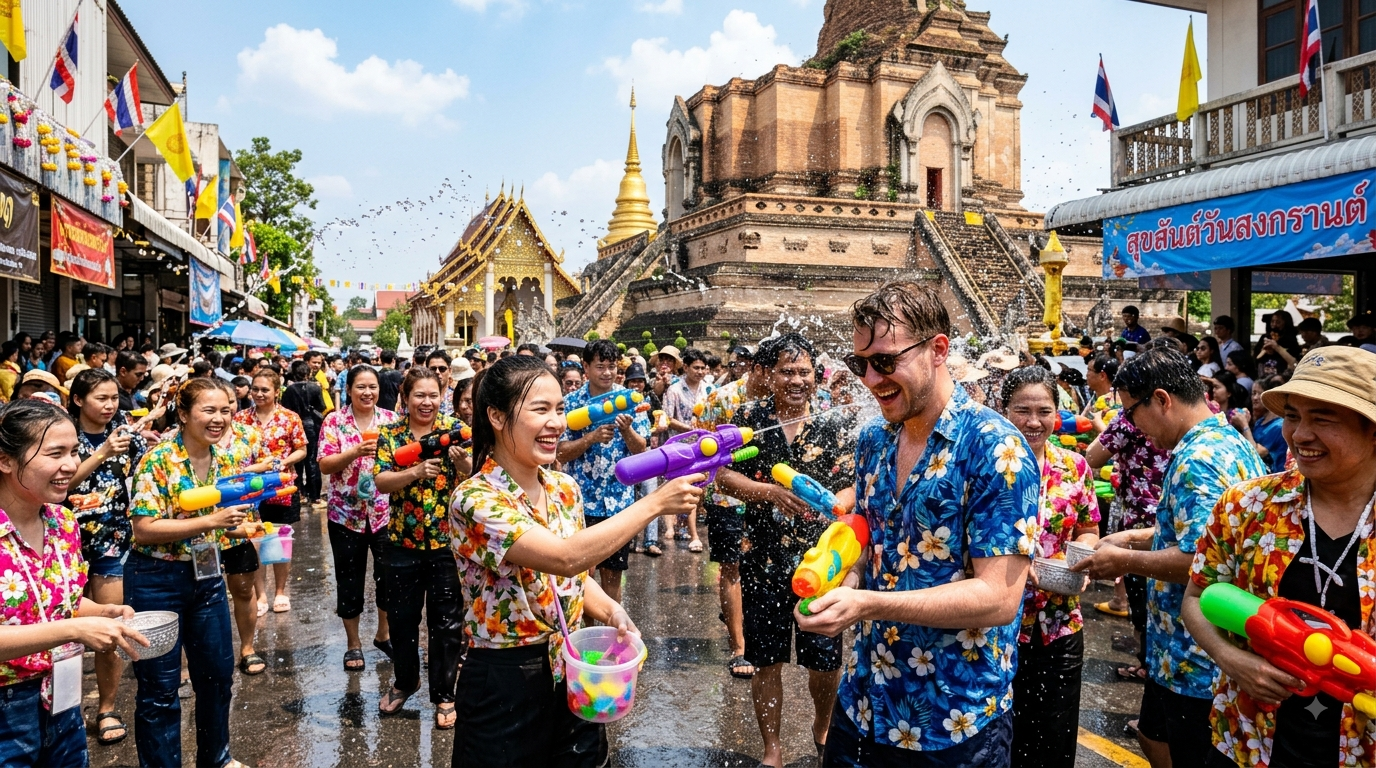
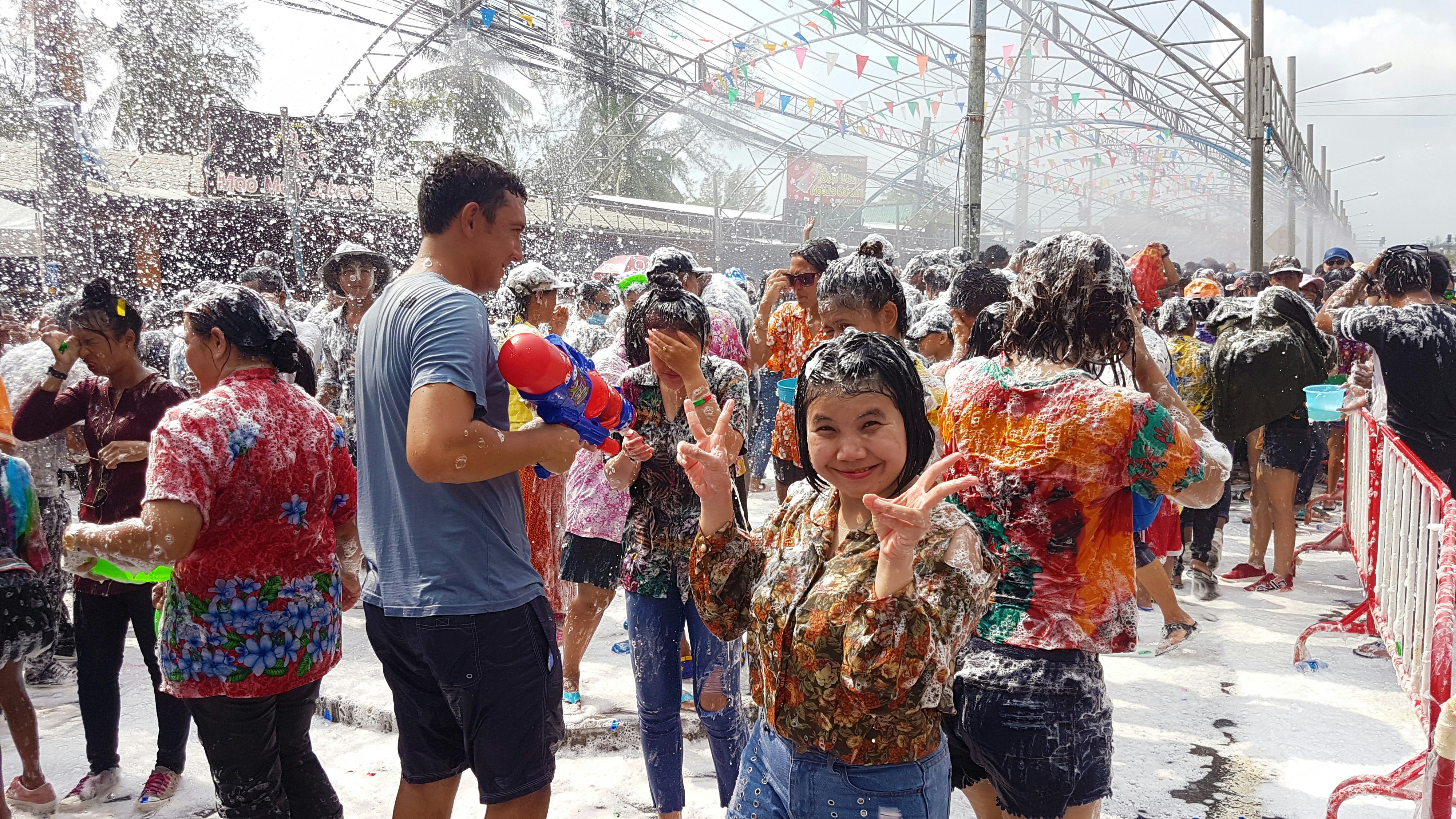
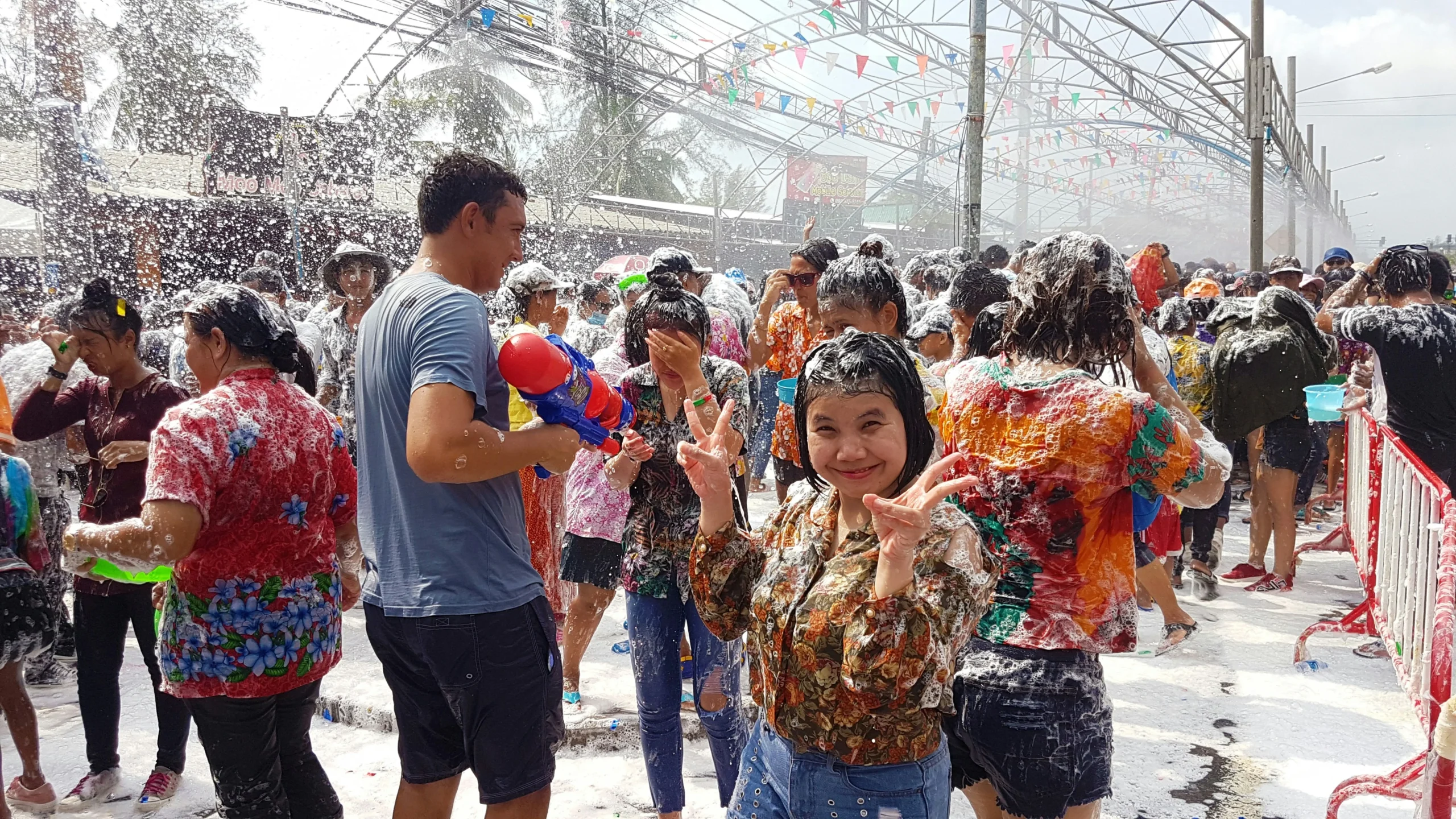
The Songkran Festival in Thailand is renowned for its jubilant celebrations, marking the traditional Thai New Year with a variety of vibrant activities. One of the most iconic features of the festival is the exhilarating water fights that take place across the nation. Locals and tourists alike fill the streets, armed with water guns, buckets, and hoses, engaging in friendly battles that symbolize the cleansing of sins and sins for a fresh start in the New Year. This lively atmosphere invites participants of all ages to join in the fun, allowing a unifying spirit to permeate the air.
In addition to the water festivities, street parades and traditional dances showcase the richness of Thai culture. Colorfully adorned floats, often depicting sacred symbols and deities, are accompanied by traditional music and performances that encapsulate the essence of Thai heritage. Enthusiastic crowds gather to witness these cultural displays, and many join in the dances, fostering a sense of community and togetherness that epitomizes the spirit of Songkran.
The culinary aspect of the celebrations should not be overlooked, as unique foods and beverages play a significant role in the festivities. Vendors lining the streets offer an array of delicious dishes, from spicy som tam (papaya salad) to mouthwatering grilled meats, providing sustenance to revellers throughout the day. Refreshing beverages, including coconut water and local fruit juices, are in high demand to quench the thirst of those participating in the hot sun. These delightful treats not only nourish the body but also enhance the overall experience, as families and friends gather to share meals, reinforcing bonds and creating lasting memories.
The Challenges and Risks Associated with Songkran
The Songkran Festival, while celebrated for its cultural significance and joyous water celebrations, also presents a series of challenges and risks that warrant attention. One of the most pressing concerns is the alarming rate of road accidents, which often escalates during the festival period. The combination of heightened alcohol consumption, coupled with a surge in traffic as people travel to various festivities, leads to a spike in reckless driving behavior. Statistics indicate that the days surrounding Songkran see a significant increase in traffic-related fatalities and injuries, raising questions about public safety during this otherwise festive occasion.
In addition to road safety, another challenge associated with the Songkran Festival is the environmental impact, particularly in terms of water waste. The excessive use of water for celebrations, especially in urban areas, points to a lack of resource management, particularly in regions already facing water scarcity. Many communities struggle with the aftermath of such extensive water usage, leading to frustration among local residents who are concerned about sustainable practices.
Moreover, the excitement of the festival sometimes leads to disrespectful behavior among participants. Instances of harassment, public intoxication, and vandalism can detract from the festival’s spirit and lead to conflicts between visitors and locals. Some residents voice concerns about the festival’s commercialization and how it can overshadow traditional customs and practices that hold deep cultural meaning.
Overall, while the Songkran Festival plays a vital role in Thai culture, an unexamined enthusiasm can pose significant risks and challenges, impacting not only participants but also local communities. Addressing these issues is vital for ensuring that the festival remains a joyous and safe celebration for all involved.
Finding a Balance: Responsible Festivities During Songkran
The Songkran Festival, celebrated in Thailand, is well known for its spirited water fights and vibrant atmosphere. However, as the festivities reach a fever pitch, it becomes increasingly important for both locals and tourists to observe responsible behavior to ensure that the joyous occasion is maintained for generations to come. One key aspect of enjoying Songkran responsibly involves safe transportation methods.
For participants planning to indulge in the celebrations, it is crucial to arrange for safe transportation. Utilizing public transport, hiring a local driver, or designating a sober friend can mitigate risks associated with impaired driving. This not only protects individuals but also ensures the safety of others on the roads during this bustling festival.
In addition to safety on the road, water conservation should also be a primary concern during Songkran. As joyous as it is to partake in water fights, excessive water usage can lead to shortages in local communities. Tourists and locals alike can consider adopting water conservation methods, such as using smaller water guns or opting for eco-friendly alternatives that minimize wastage while still allowing fun.
Furthermore, engaging respectfully with the local culture is essential. Tourists should educate themselves about the customs and traditions surrounding Songkran. For example, participating in the ritual of pouring water over Buddha statues or older family members resonates with the festival’s spiritual significance, fostering deeper connections rather than reducing the event to mere entertainment.
Ultimately, balancing enjoyment with responsibility during Songkran can lead to a more enriching experience for everyone involved. By adhering to safe practices, conserving water, and respecting local traditions, we can celebrate not only the current festivities but also honor the heritage of this cherished festival, ensuring that its joy endures for years to come.
Free Sponsored Link: https://www.ez96live.com/